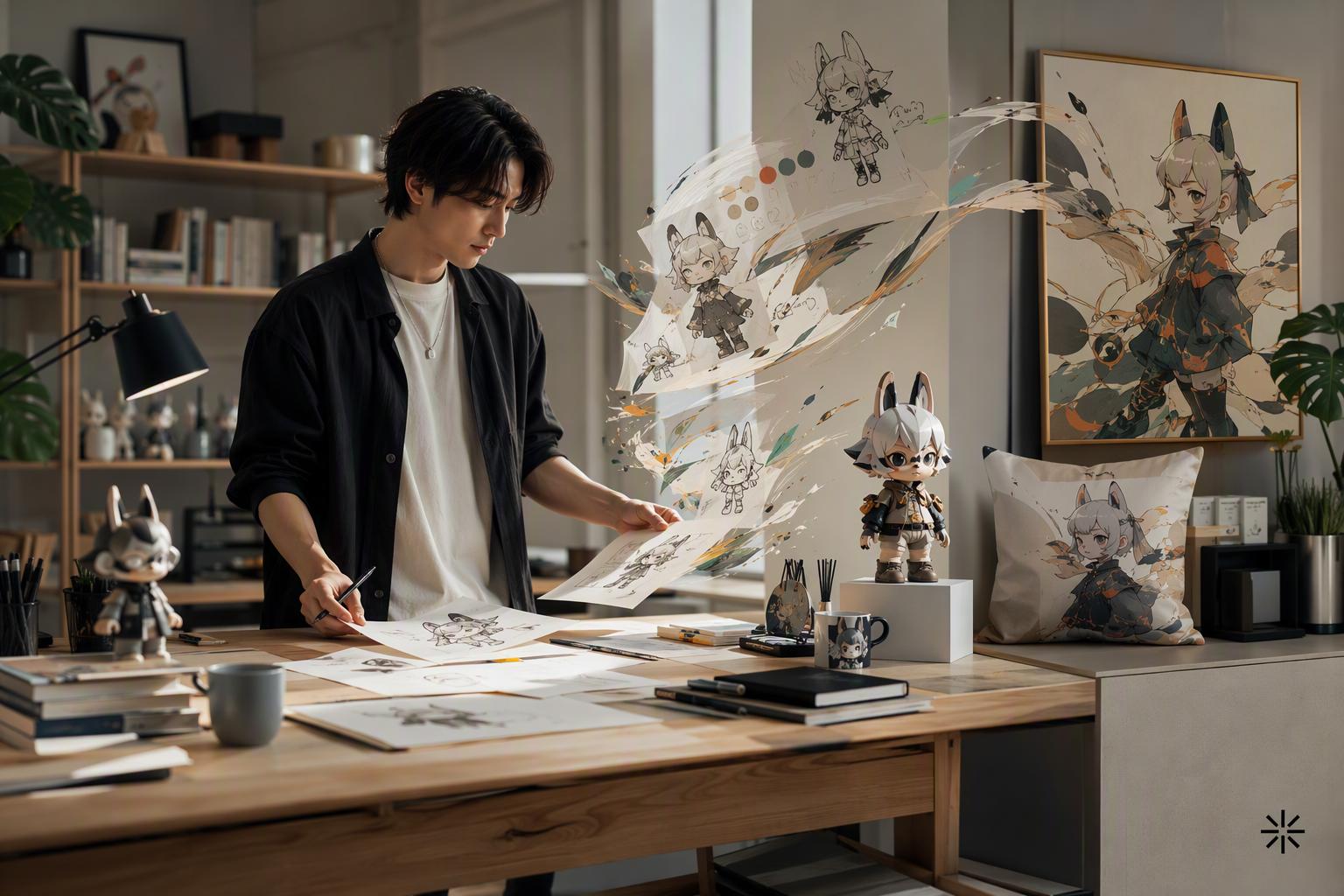
Creating a great product is only half the job. The other half is helping people understand why it matters.
For creators, this can be surprisingly difficult. You may have an original character, a strong visual identity, a loyal audience, or an idea that feels perfect for a product. You launch it, share a post announcing that it is available, and wait for sales to come in.
But great creator products do not automatically sell.
A beautiful design does not guarantee demand. A large following does not automatically create customers. And simply putting your product link in a bio is not the same as having a product marketing strategy.
The creators who build successful product businesses usually understand one important thing: people are not just buying an object. They are buying a connection to a creative world they already care about.
A strong product marketing strategy for creators connects four things: your audience, your creative identity, your product, and the story that brings them together. Here is how to build one that does more than simply announce a product—it gives people a real reason to care about it.

Start With Your Audience, Not Your Product
One of the biggest mistakes creators make is starting with a product idea and then trying to convince people to buy it.
The process often looks like this:
I like this idea → I make the product → I hope my audience wants it.
A stronger approach works in the opposite direction:
Audience insight → Product idea → Product → Marketing
Before deciding what to sell, look at the signals your audience is already giving you. Which posts generate the strongest reactions? Which characters or ideas do people mention repeatedly? What do your followers save, share, repost, or turn into inside jokes?
These are not just engagement metrics. They can become valuable product insights.
For example, if one of your original characters consistently receives more comments than the rest of your work, that may suggest an opportunity to build products around that character. But the answer is not necessarily to put the character on a random T-shirt.
Instead, ask a better question:
What would someone who loves this character actually want to own?
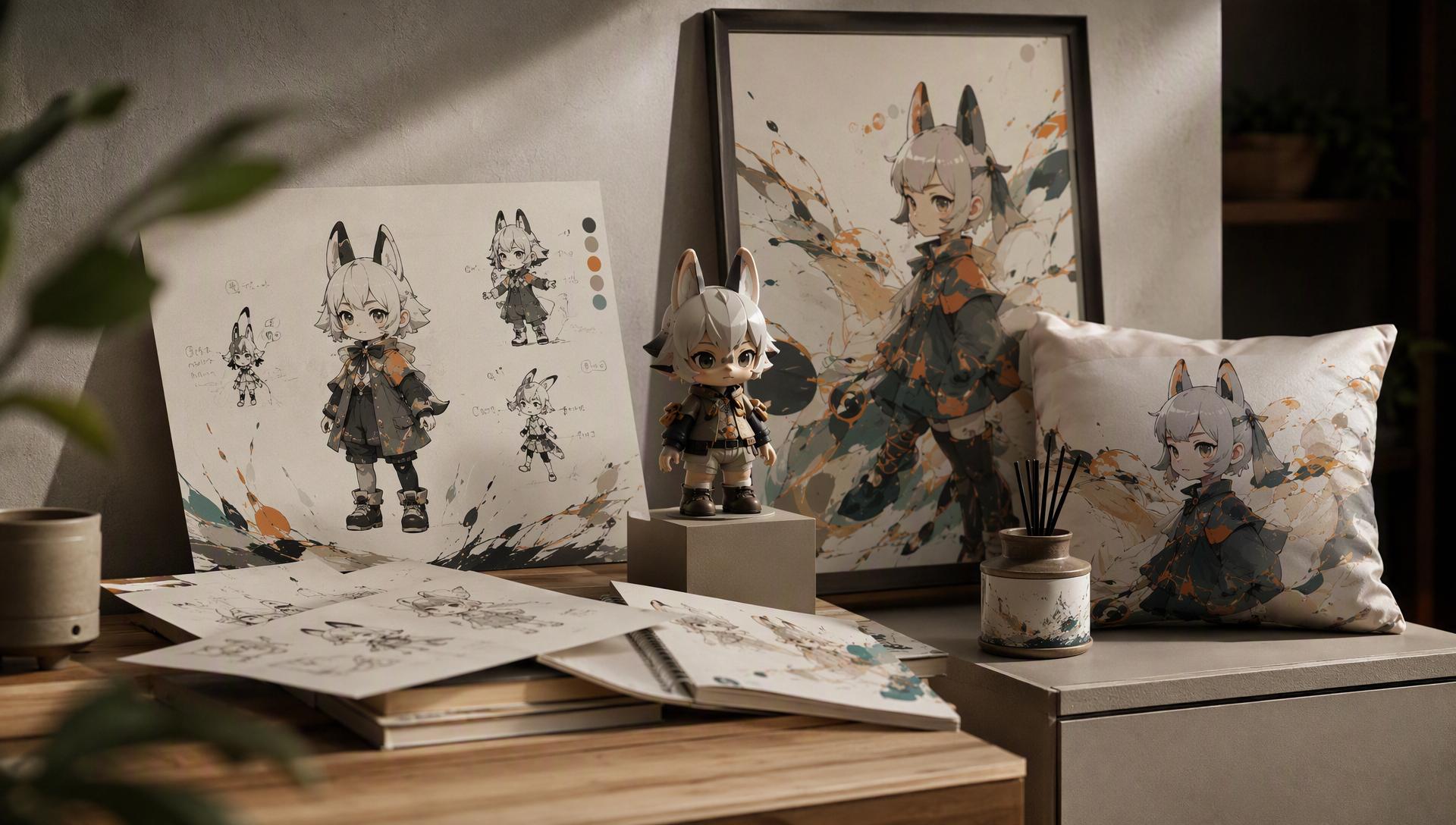
The answer might be a collectible figure, a desk accessory, a blanket, a print, a plush product, or something that brings the character into everyday life.
The strongest creator products often begin with what an audience already cares about—not with a random product category.
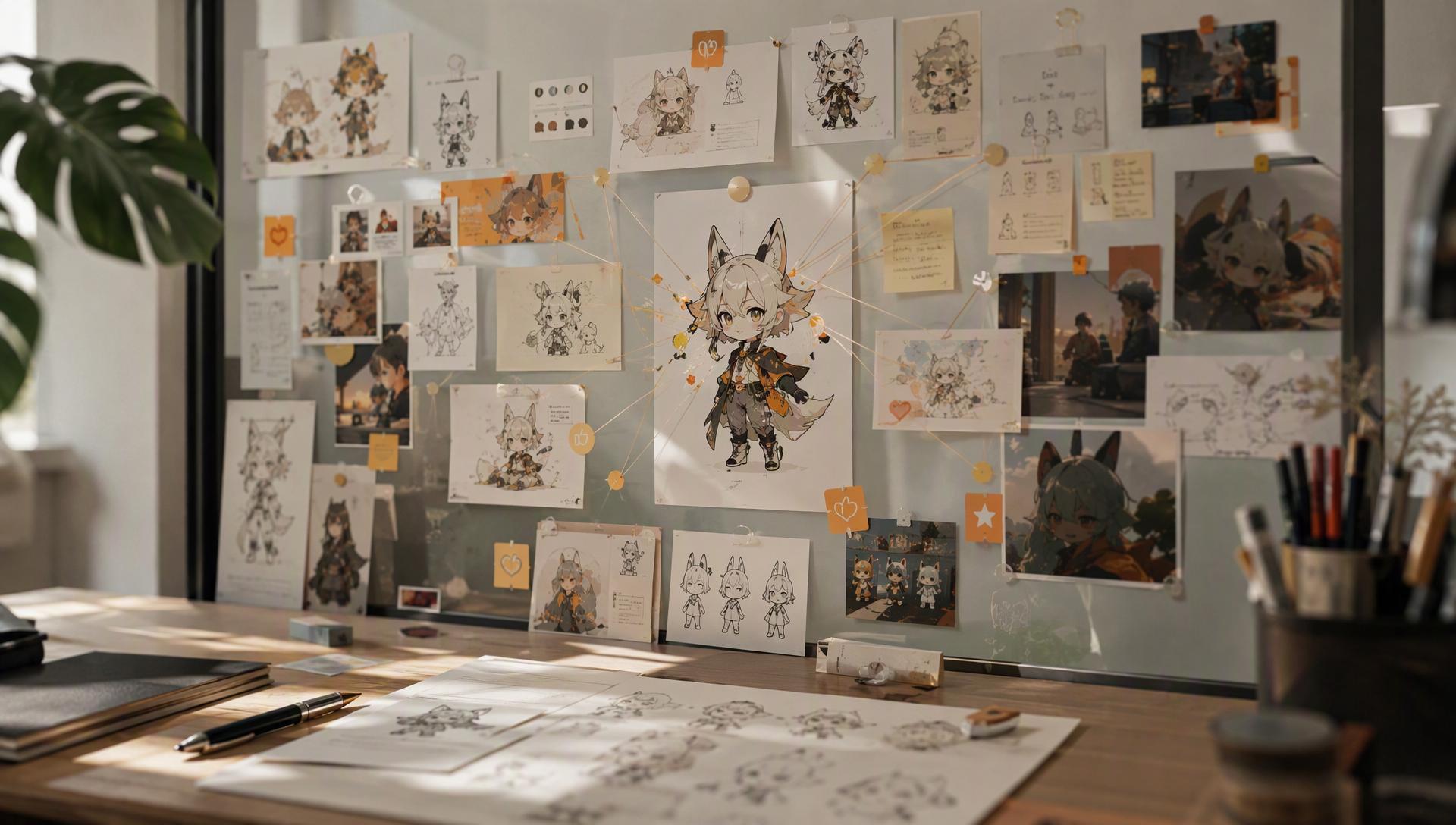
Build Your Product Around a Story
Products become easier to market when they have a story behind them.
A mug is just a mug until it represents a character your audience has followed for years. A poster becomes more meaningful when it captures a moment, illustration, or idea that has become part of your community.
In other words, people do not always buy products because of what they are. They often buy them because of what they represent.
Every creator product should be able to answer three simple questions:
- Where did this product come from?
- What does it represent?
- Why would someone want to own it?
Your answer might come from an original character, a piece of artwork, a memorable video, a creative universe, or even an inside joke shared by your community.
This is especially important for creators building around original IP. The goal is not simply to place an image on a product. It is to help people bring a piece of your creative world into their real lives.
Platforms like Genki are built around this idea. Creators can turn original creative IP into real products and build collections around the worlds, characters, and ideas their audiences already connect with. The product is not separate from the creative work—it becomes another way for people to experience it.
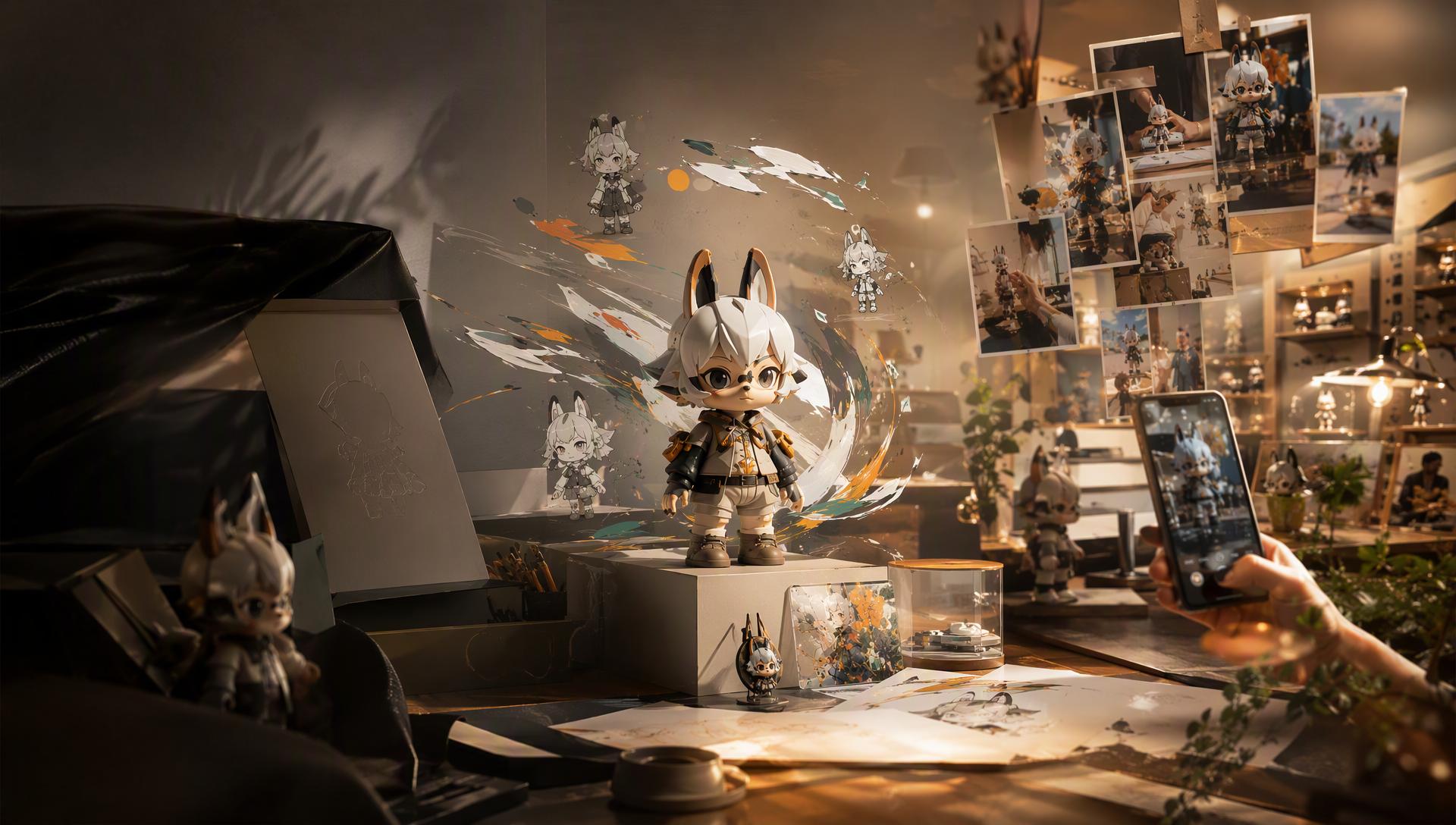
Turn Your Content Into Product Marketing
Many creators avoid promoting products because they do not want every post to feel like an advertisement.
The good news is that product marketing does not have to feel like advertising.
Instead of constantly posting “Buy now,” make the product part of your content.
You can share the story behind how it was created. Show early sketches, design experiments, product concepts, samples, or the process of choosing between different versions. You can even invite your audience to participate by asking them to vote on a design, color, character, or future product idea.
Useful product content can include:
- Behind-the-scenes design content
- The story behind a character or collection
- Product development and creative decisions
- Fan voting and community feedback
- Lifestyle content showing products in real spaces
- Short videos showing how an idea became a finished product
This approach creates something much more valuable than an advertisement: anticipation.
By the time the product launches, your audience has already seen its journey. Some people may even feel that they helped shape it.
That makes the product launch feel less like a company selling to customers and more like a creator sharing something new with their community.
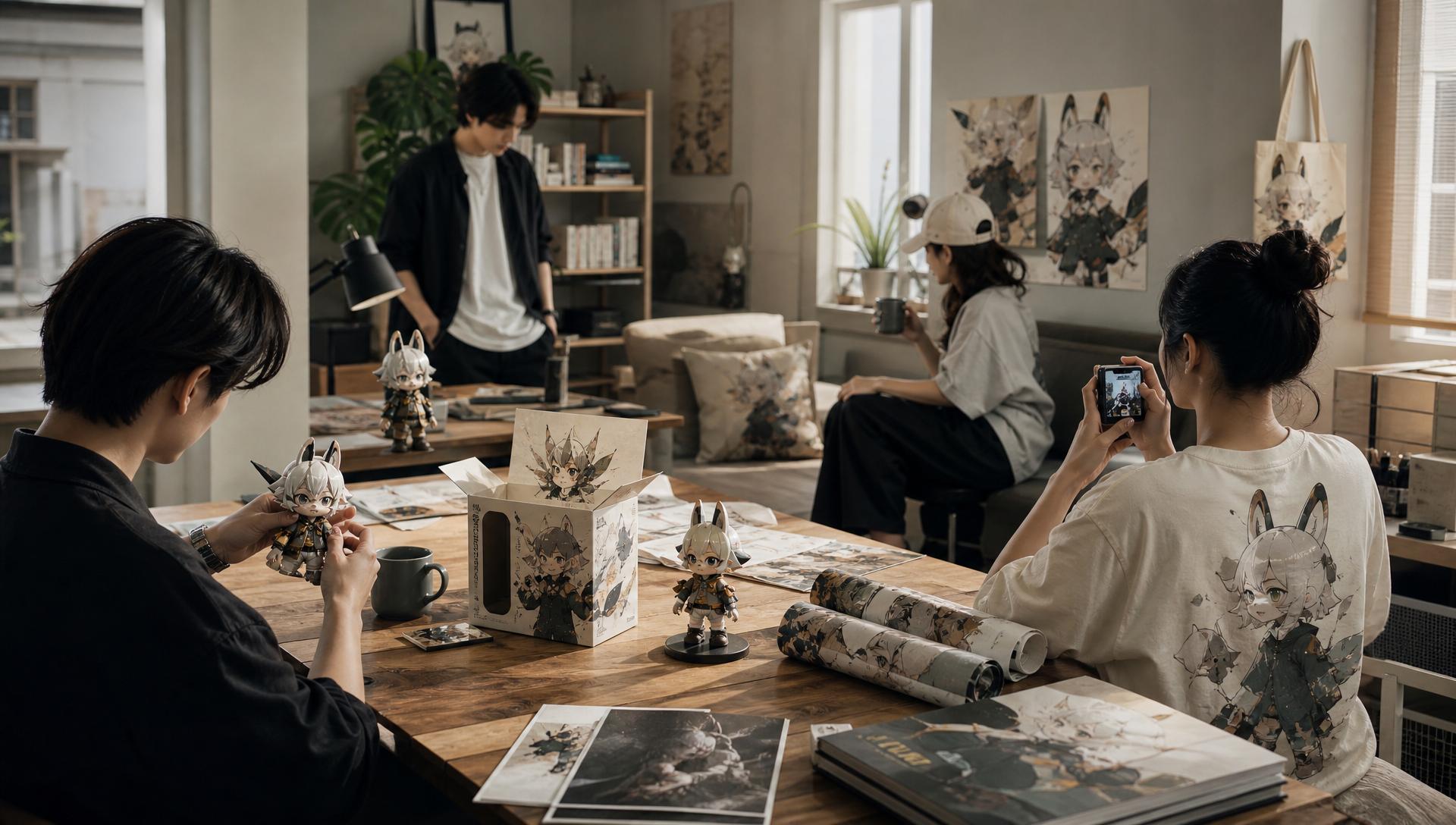
Create a Product Launch Strategy Before Launch Day
A common mistake is waiting until launch day to start marketing.
A creator spends weeks developing a product, launches it, makes one announcement, and then moves on.
A stronger product launch strateg has three stages.
1.Before the Launch: Build Curiosity
Your goal is not to sell immediately. Your goal is to make people curious.
Share small previews, behind-the-scenes content, product hints, or early details. Give your audience a reason to start wondering what is coming next.
2.During the Launch: Make the Value Clear
When the product becomes available, people should quickly understand:
- What is it?
- Where did the idea come from?
- Why is it special?
- Who is it for?
- Where can they get it?
The launch message should be simple. Do not assume that everyone has followed every piece of behind-the-scenes content.
3.After the Launch: Keep the Story Going
Marketing should not end on launch day.
Continue sharing how the product fits into real life. Repost customer photos, share fan reactions, show different product details, and highlight the stories behind the collection.
A product can keep generating content long after it first becomes available.
Let Your Community Build Momentum
The best marketing does not always come directly from the creator.
Sometimes, it comes from the people who care about the work.
When customers share photos, post videos, recommend products, or create their own content around your IP, they create something powerful: social proof.
A potential customer may trust another fan more than a polished product advertisement.
That is why audience engagement and product marketing should not be treated as separate strategies. A strong community can help create momentum before, during, and after a launch.
Encourage people to share how they use or display your products. Repost community content. Celebrate fan creativity. Make customers feel like they are part of the larger creative world rather than simply people who completed a transaction.
This also connects directly to a broader creator growth strategy: you do not just want more followers—you want stronger relationships with the people who already care about what you create.
Turn One Product Into a Creator Brand
A successful product should not always be viewed as the finish line.
It can be the beginning of a larger product ecosystem.
Instead of creating unrelated products one after another, think about how your ideas can connect into a recognizable creative world.
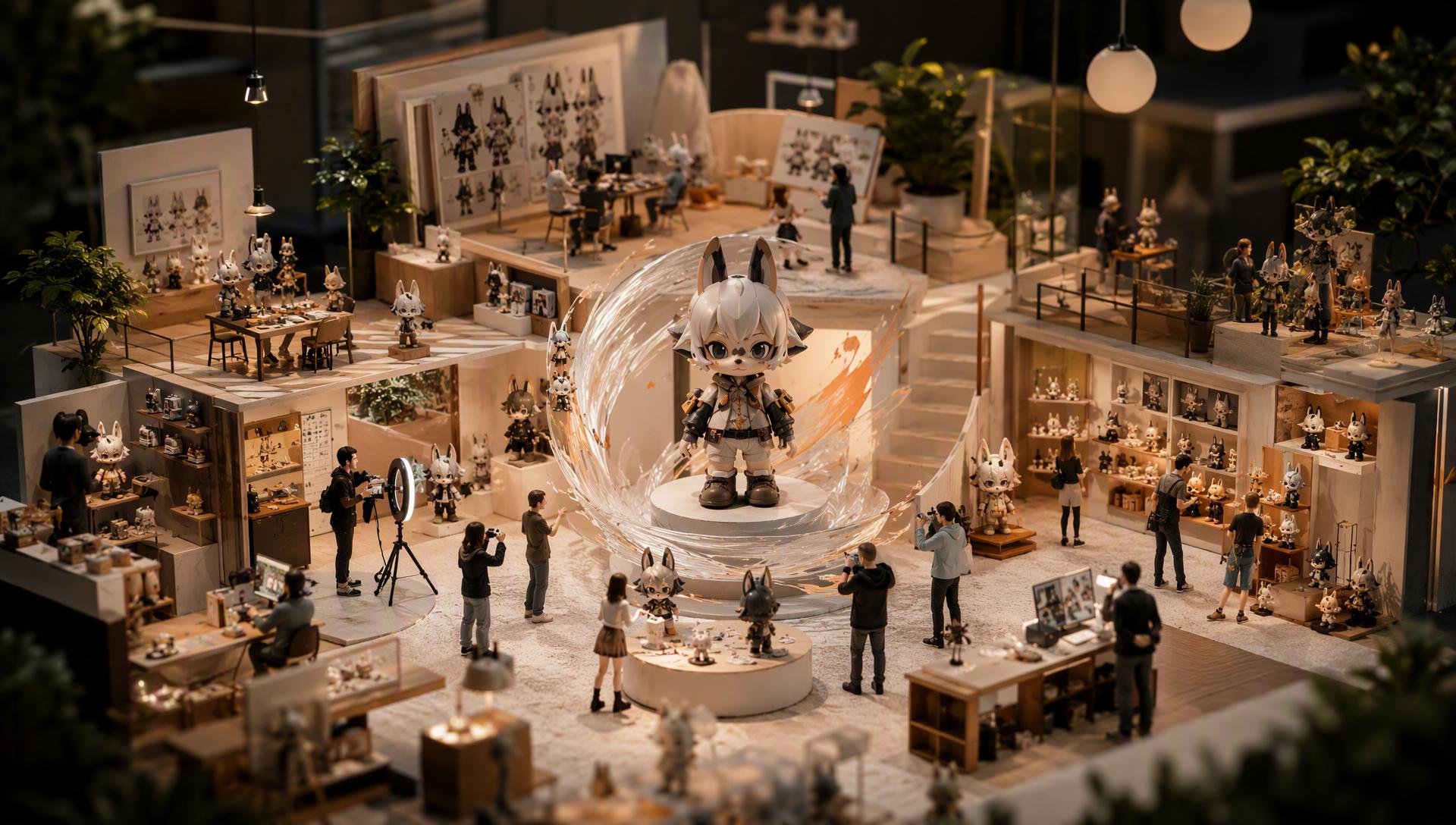
One original character could eventually inspire collectibles, home products, apparel, art prints, limited editions, or new product collections. Each item serves a different purpose, but they all connect to the same identity.
One successful product can validate an idea.
A collection can build a brand.
This is where creators can move beyond simply selling merch and start building a long-term creator business. Products become another extension of the creator's identity, alongside content, community, and original IP.
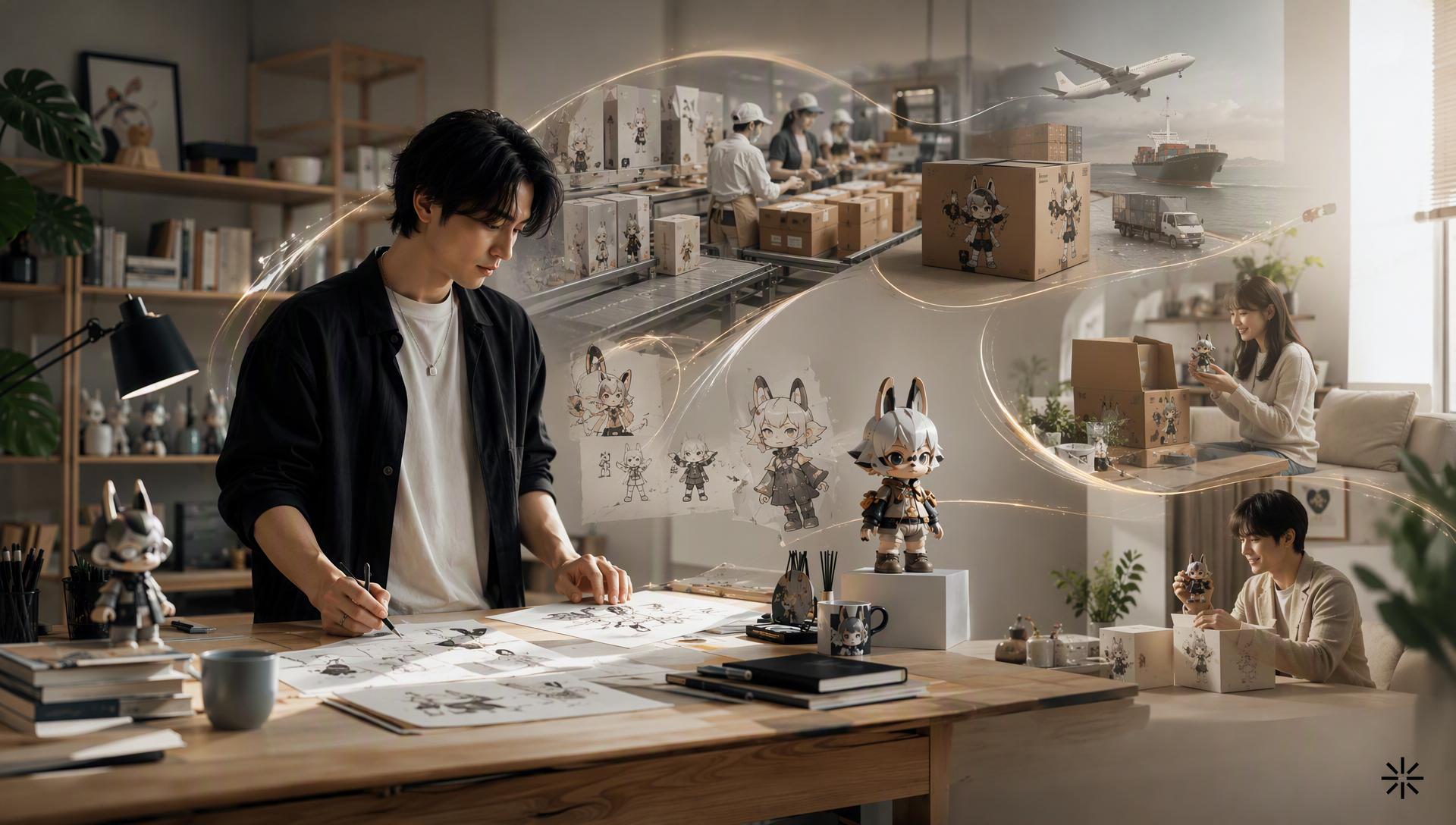
With Genki, creators can explore this process without needing to build an entire supply chain themselves. Genki helps creators turn creative ideas and original IP into products while supporting product creation, store setup, manufacturing, fulfillment, logistics, and other operational needs involved in selling globally.
That allows creators to spend more time on what usually creates the most value in the first place: creativity, content, product ideas, and community.
FAQ
✨Do creators need a large audience to sell products?
Not necessarily. A smaller but highly engaged community can often be more valuable than a large audience with little connection. The key is understanding what your audience cares about and creating products that feel relevant to that relationship.
✨How often should creators promote their products?
There is no fixed number. Instead of repeatedly posting direct sales messages, integrate products naturally into your content through storytelling, behind-the-scenes content, lifestyle visuals, and community participation.
✨What is the most important part of a creator product marketing strategy?
Start with audience insight. The better you understand why people follow your work and what they connect with, the easier it becomes to create products and marketing that feel relevant rather than forced.
Build Products People Want to Be Part Of
The goal of creator product marketing is not to turn every creator into a full-time salesperson.
It is to create a stronger connection between your creative work and the people who support it.
Start with your audience. Build products around ideas that already matter to them. Give every product a story. Turn the creation process into content. Build momentum before launch day, and let your community continue the story after the product is released.
Most importantly, do not think of products as separate from your creative world.
Think of them as another way for people to participate in it.
With Genki, creators can turn original IP and creative ideas into products, build their own product collections, and sell globally without taking on the full complexity of manufacturing and fulfillment. You focus on creating, building your audience, and telling your story—while the operational side of bringing products to life becomes easier to manage.
Ready to Turn Your Creative Ideas Into Products?
Your audience already connects with your creativity. The next step is giving them something they can actually own, use, collect, and share.
Turn your original IP into products, build your creator store, and start bringing your creative world to life with Genki.