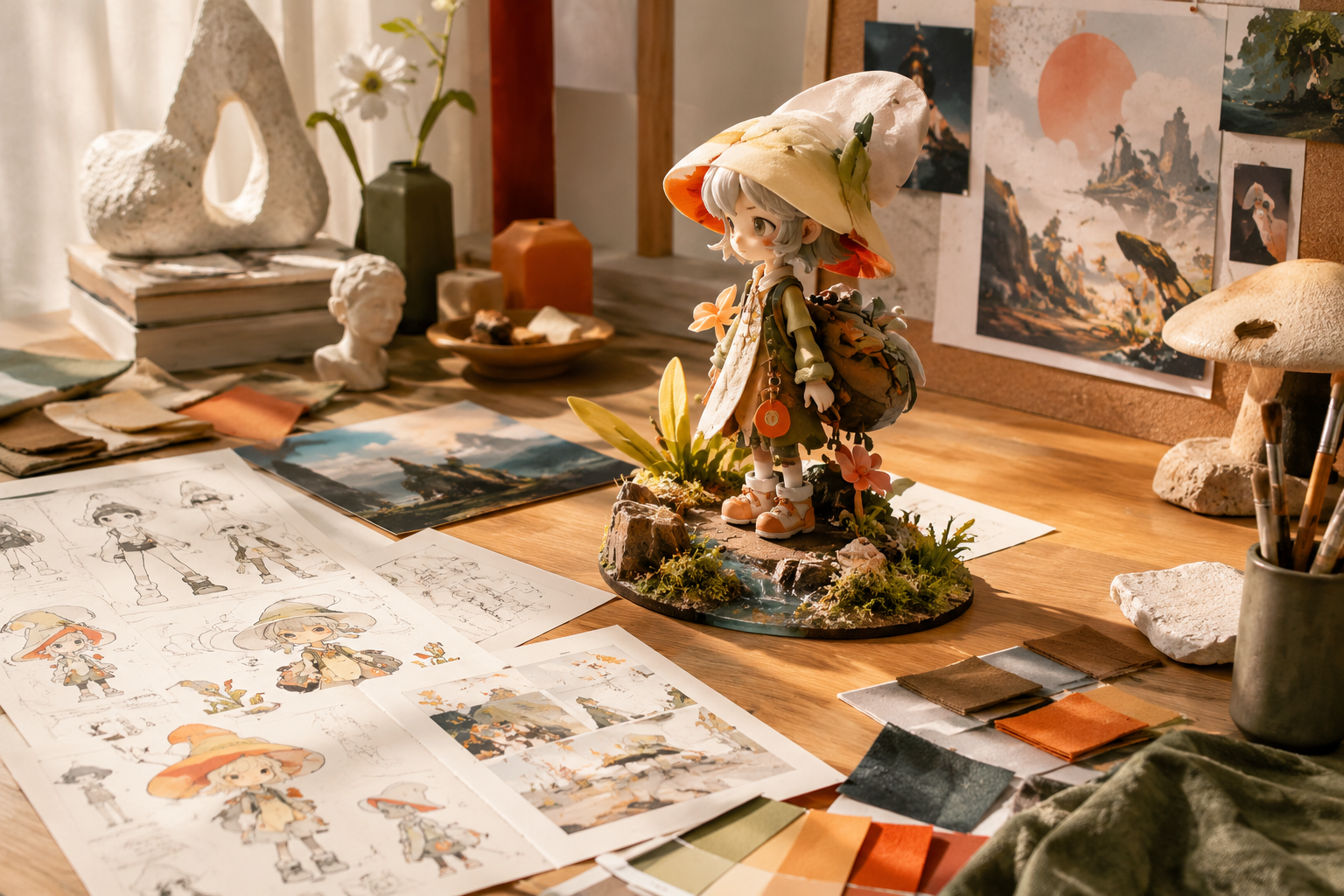
AI has made creating beautiful images easier than ever. With an **AI art generator**, you can turn a simple idea into a polished illustration, character, or visual concept in seconds. But there is a new challenge: when almost everyone has access to the same technology, simply creating a good-looking image is no longer enough.
Scroll through social media and you will quickly notice the pattern. Many **AI artwork** pieces share similar lighting, compositions, colors, characters, and visual styles. They may look impressive at first glance, but few are memorable.
So how do you create AI art that actually stands out?
The answer is not simply writing longer prompts or adding more words like “ultra detailed” and “cinematic.” The strongest AI art starts with a strong creative idea, a recognizable visual direction, and a style that can evolve beyond a single image.
Why So Much AI Art Looks the Same
One reason AI-generated artwork can feel repetitive is that creators often begin with the tool instead of the idea. They choose a popular style, copy a trending prompt, and generate image after image without developing a clear visual identity.
Another problem is over-relying on generic descriptions. A prompt such as “beautiful fantasy girl, cinematic lighting, highly detailed, 8K” may produce an attractive image, but it does not necessarily give people a reason to remember it.
There is also a difference between visual quality and creative identity. A technically impressive image can still feel interchangeable if it does not communicate a unique concept.
Instead of asking only, “How can I make this image look better?” try asking:
- What is the idea behind this image?
- What emotion should it create?
- What makes the concept different?
- Could someone recognize my work without seeing my name?
- Can I create five or ten more images within the same visual world?
These questions shift the process from generating images to building a creative direction.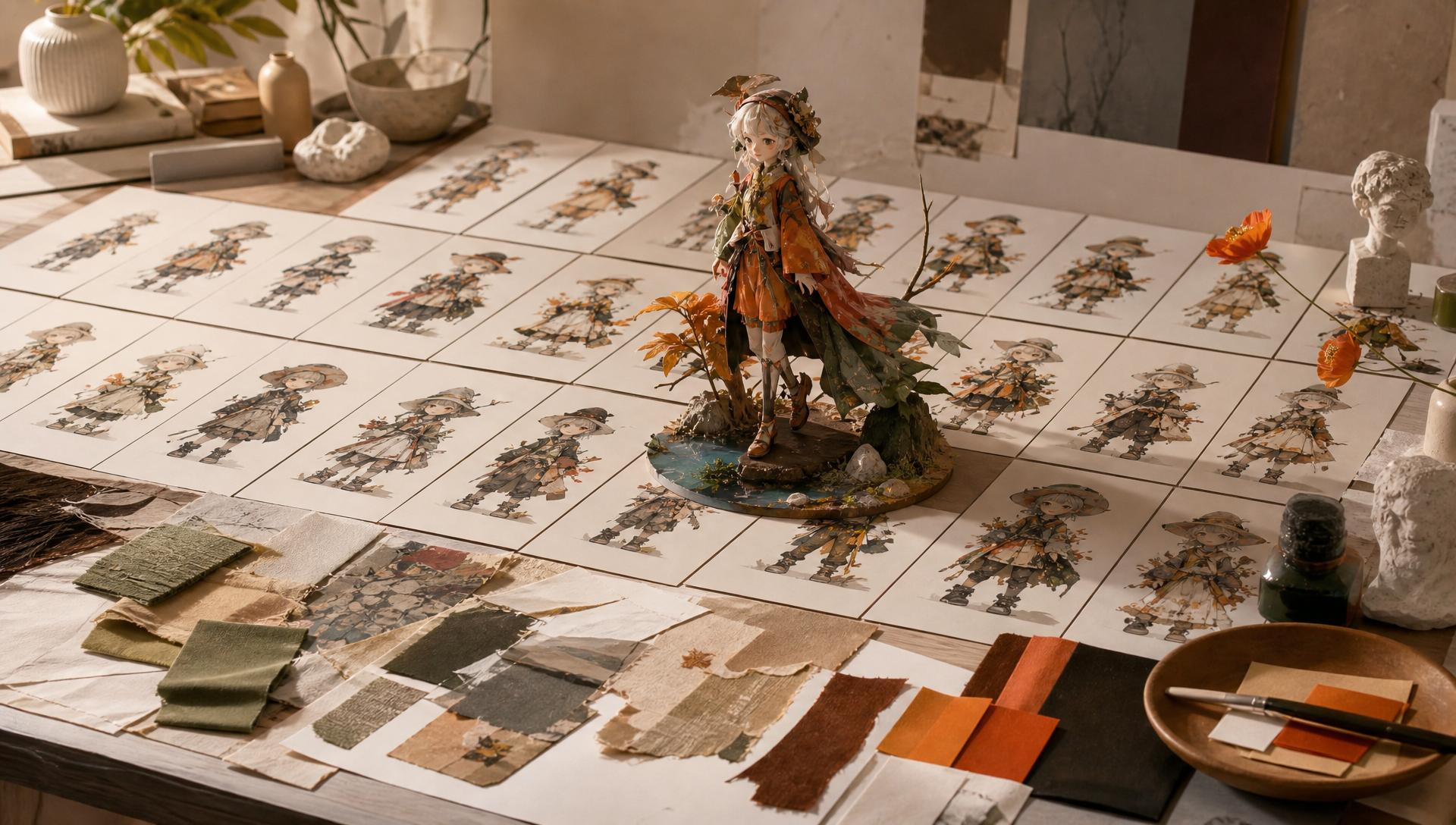
Start With an Idea, Not a Prompt
A better creative process looks like this:
Idea → Visual Direction → Prompt → AI Artwork
Before opening an AI art generator, define what you actually want to communicate.
For example, instead of simply asking for “a cute cat illustration,” imagine a tiny explorer cat traveling through oversized everyday objects. Suddenly, you have a character, a world, a story, and many possibilities for future images.
Your idea can be built around:
- An unusual combination of subjects
- A specific emotional experience
- A fictional world
- An original character
- A visual metaphor
- A recurring story or theme
The more clearly you define the creative concept, the easier it becomes to use AI as a creative tool rather than letting the tool determine the entire result.
Build a Visual Style People Can Recognize
Once you have an idea, think beyond a single image. A distinctive AI illustration often comes from a consistent visual system.
Consider defining several elements that can appear repeatedly across your work:
①Color: Choose a recognizable palette rather than changing colors randomly in every image.
②Composition: Decide whether your work tends to use close-ups, cinematic wide shots, centered compositions, or dynamic editorial layouts.
③Lighting: Soft daylight, dramatic studio lighting, colorful ambient light, or another consistent approach can dramatically influence your visual identity.
④Materials and textures: Paper, fabric, ceramic, painted surfaces, handcrafted textures, or other physical details can make digital artwork feel more distinctive.
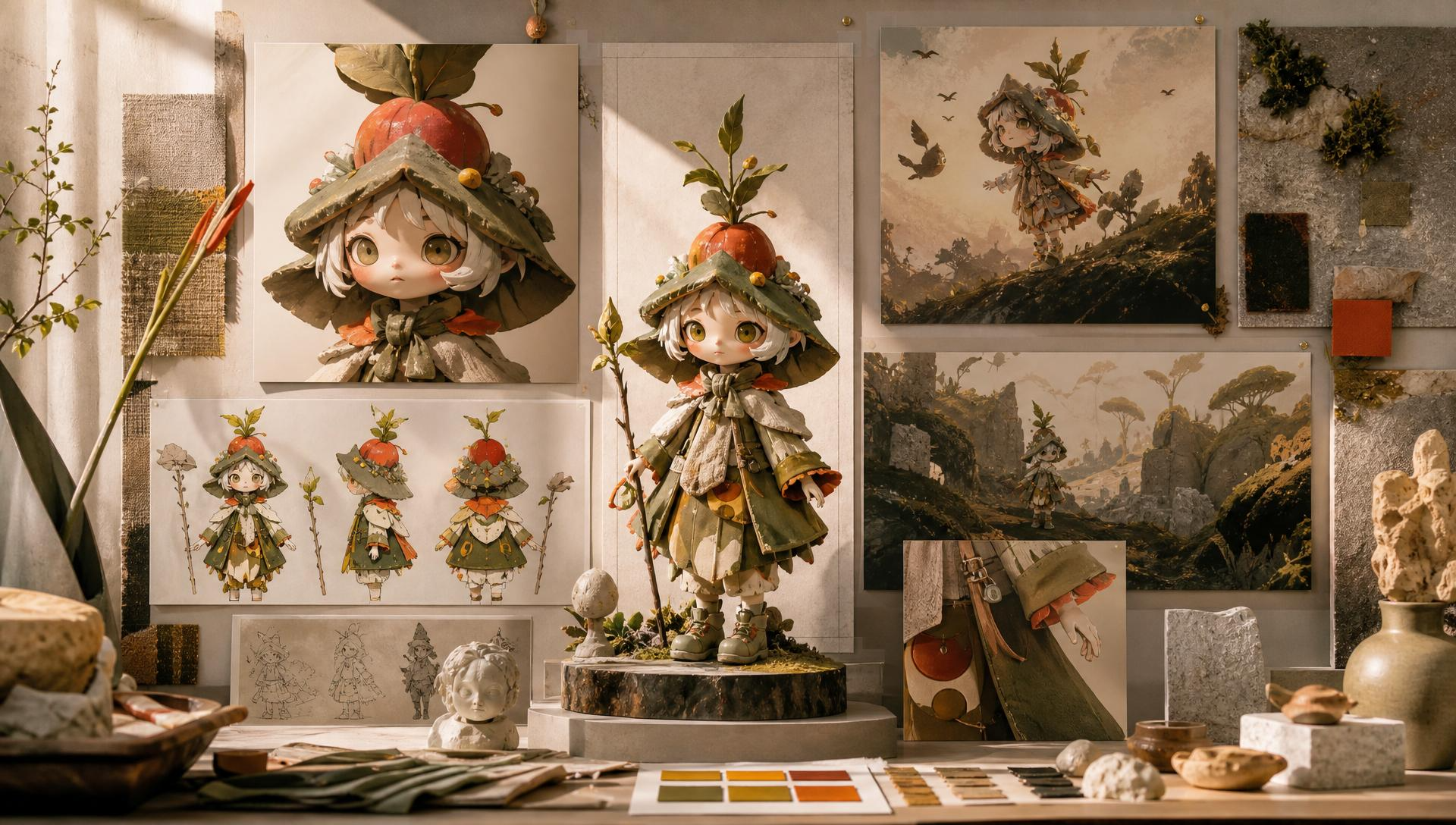
⑤Character language: If you are creating characters, recurring silhouettes, proportions, accessories, clothing, or facial features can make them easier to recognize.
The goal is not to make every image identical. It is to create enough consistency that your work feels like it belongs to the same creative universe.
Make Your AI Art More Original
Originality does not necessarily mean inventing something nobody has ever seen before. Often, it comes from combining familiar ideas in an unexpected way.
Try pairing concepts that do not normally appear together:
- Cute characters + luxury editorial fashion
- Traditional crafts + futuristic environments
- Childhood objects + surreal landscapes
- Everyday products + miniature fantasy worlds
- Hand-drawn aesthetics + premium commercial design
Storytelling can make an even bigger difference. Instead of creating an isolated character standing in front of a background, show the character doing something. Give the image a moment, a relationship, or a sense of place.
Think of your artwork as a scene from a larger world, rather than a finished picture with nowhere else to go.
This approach is especially useful for creators who eventually want to develop an original character or creative IP. A single image can attract attention, but a recognizable world gives people something they can follow.
Use Prompts to Support Your Creative Direction
Once the concept is clear, prompting becomes much easier.
A useful framework for an AI art generator is:
Subject + Concept + Composition + Environment + Lighting + Materials + Mood + Style
For example:
An original tiny explorer cat discovering a giant artist's studio, cinematic wide composition, oversized brushes and colorful paper surrounding the character, soft afternoon light, handcrafted textures, playful and curious mood, premium editorial illustration.
Notice that the prompt is not simply a collection of visual effects. Every element supports the same concept.
You can also experiment with different variations while keeping the core visual identity consistent. This allows AI to become a tool for exploration rather than a shortcut to generic images.
Don't Stop at One Image
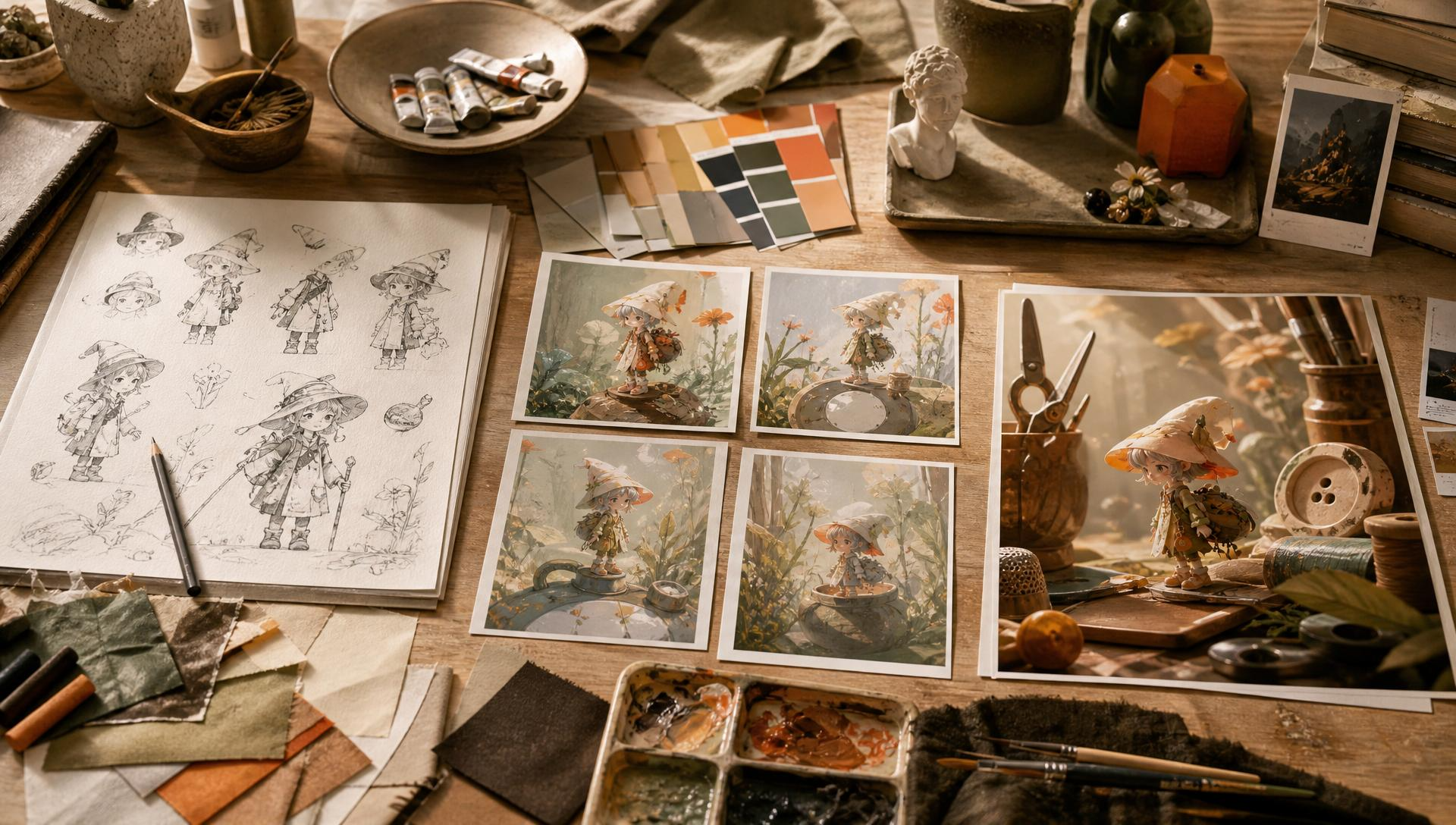
One of the biggest opportunities with AI artwork is that you can develop ideas much faster. Instead of creating one image and moving on to the next trend, consider what happens when you keep developing the same creative concept.
A single artwork can become:
One image → A visual series → A recognizable character → An original IP → Products and merchandise
This is where AI creativity starts connecting with the broader creator economy.
For creators, artists, and designers, the long-term value may not be the individual image itself. It can be the world, character, aesthetic, or IP built around it.
Platforms such as Genki can help creators take that creative direction further by connecting original visual assets with product creation and e-commerce. Instead of treating AI art as content that ends when the image is downloaded, creators can explore how their creative work can evolve into something audiences can actually engage with and purchase.
How to Know If Your AI Art Stands Out
Before publishing your next piece, take a step back and ask:
- Can I explain the concept in one sentence?
- Does the artwork have a recognizable visual element?
- Does it still feel interesting without relying on a current AI trend?
- Could I create several more pieces within the same visual world?
- Would someone remember the image after scrolling past it?
If the answer to most of these questions is yes, you are moving beyond simply generating attractive images and toward developing a recognizable creative identity.
From AI Art to a Creative Identity
The biggest shift in AI art is not that machines can now generate images. It is that creators can explore ideas, styles, and visual worlds much faster.
But speed alone does not create a brand.
Your creative direction does.
The most valuable workflow is therefore not simply:
Prompt → Generate → Post
It can become:
Create → Refine → Build a Visual Identity → Develop IP → Create Products
That is the bigger opportunity behind AI creativity. AI can help you experiment faster, but the ideas, taste, storytelling, and identity still come from the creator.
With Genki, that journey can extend beyond digital artwork. Your original creative assets can become part of a broader creator-commerce journey, connecting Creation → IP → Product and giving your audience new ways to experience what you create.
Frequently Asked Questions
⭐What makes AI art stand out?
Strong AI art usually combines a clear concept with a distinctive visual direction. Technical quality matters, but originality, storytelling, consistency, and recognizability can make an image much more memorable.
⭐How can I make AI-generated art more original?
Start with your own concept instead of copying trending prompts. Experiment with unexpected combinations, develop recurring visual elements, and build a consistent style that can be used across multiple artworks.
⭐Can AI art become an original IP?
Yes. AI can be part of the creative process for developing characters, worlds, illustrations, and visual concepts. The key is to develop a consistent creative identity rather than treating every generated image as an unrelated piece.
⭐Can I turn AI artwork into products?
AI artwork can inspire many forms of creative products, depending on the artwork, audience, and applicable rights. For creators interested in moving from digital creation toward physical products, **Genki** provides a bridge between creative assets, product development, and e-commerce.
Create More Than an Image
The next generation of AI creativity is not just about generating more images. It is about turning ideas into recognizable creative worlds—and finding new ways for those worlds to grow.
If you are ready to move from AI art to original IP and eventually products, Genki can help connect the creative process with the commerce side of your creator journey.
Create your ideas. Build your IP. Turn creativity into products with Genki.