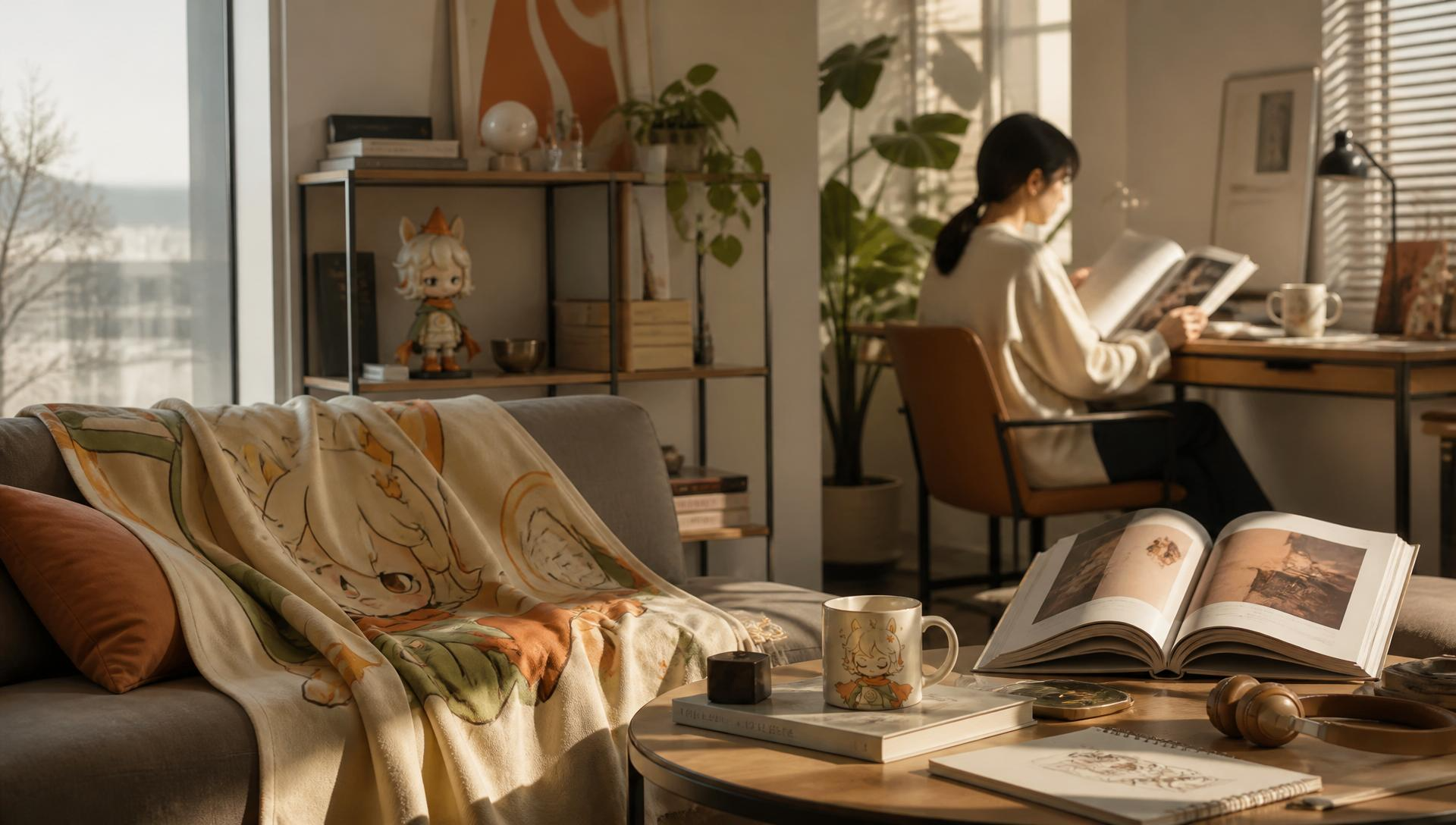
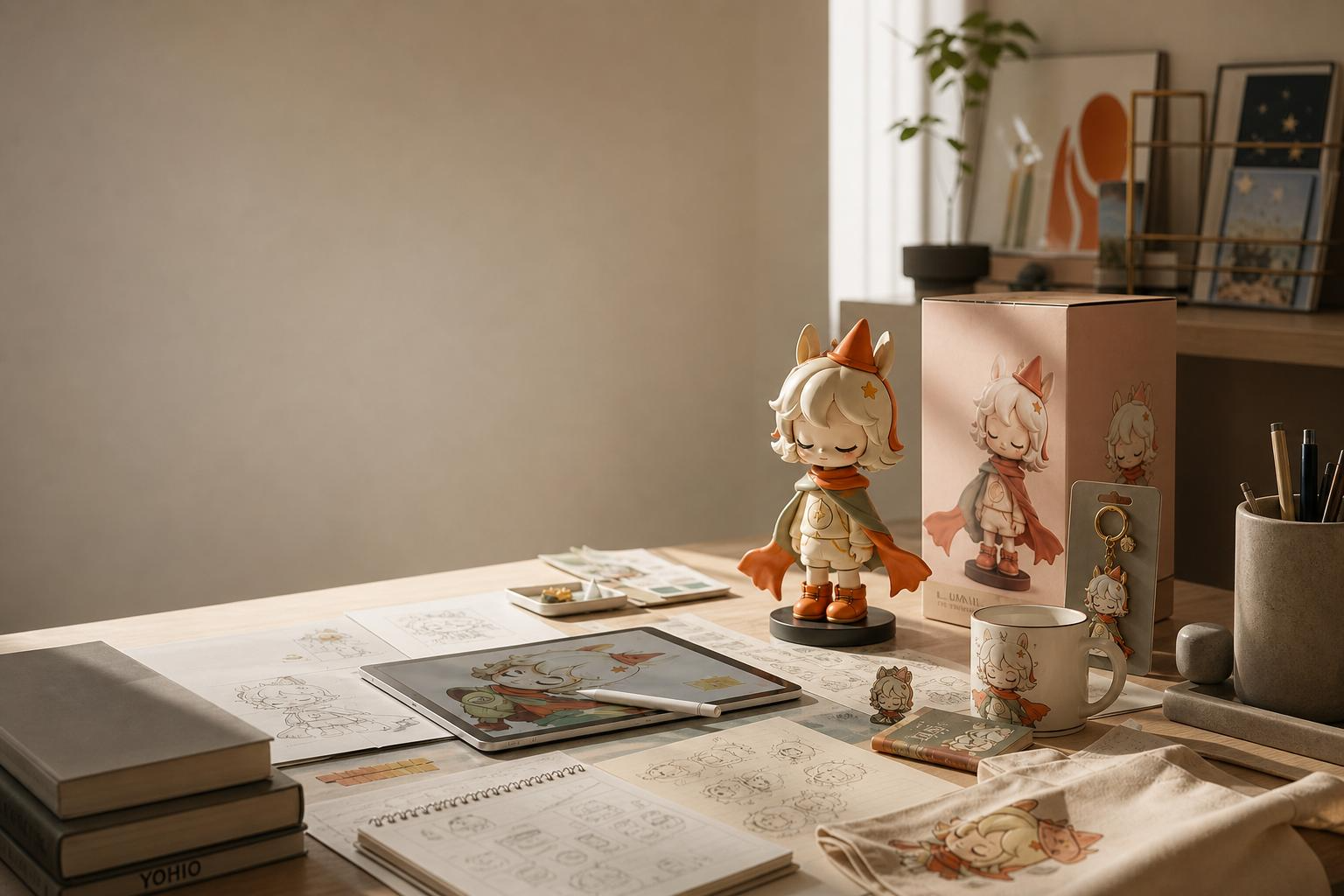
A great product image can make someone stop scrolling. But a product image that actually sells needs to do more than look beautiful. It needs to show what the product is, communicate its value, help shoppers imagine owning it, and create enough confidence to make a purchase.
That is why AI product images are becoming an important part of modern e-commerce. Instead of spending hours arranging lights, backgrounds, props, and locations for every product, creators and online sellers can use AI to explore different visual concepts and create product photography much faster.
But there is an important difference between generating an attractive image and creating an image that supports sales. The goal is not simply to make products look impressive. It is to create visuals that help customers understand the product and see why it belongs in their lives.
What Makes an AI Product Image Effective?
The best AI product images are not simply realistic. They are designed around the customer's buying journey.
Think about what a shopper wants to know when they discover a new product:
- What does the product actually look like?
- How big is it?
- How would I use it?
- What makes it different?
- Does it fit my lifestyle or aesthetic?
- Can I imagine having it in my home, wardrobe, or collection?
A strong e-commerce image should answer these questions visually.
For example, a plain product mockup may show a design on a hoodie. A lifestyle image can show the same hoodie being worn in a carefully designed environment that matches the brand's identity. The second image gives customers more context and creates a stronger emotional connection.
This is where AI product photography becomes particularly useful. Instead of creating one image and stopping there, sellers can develop an entire visual system around a product.
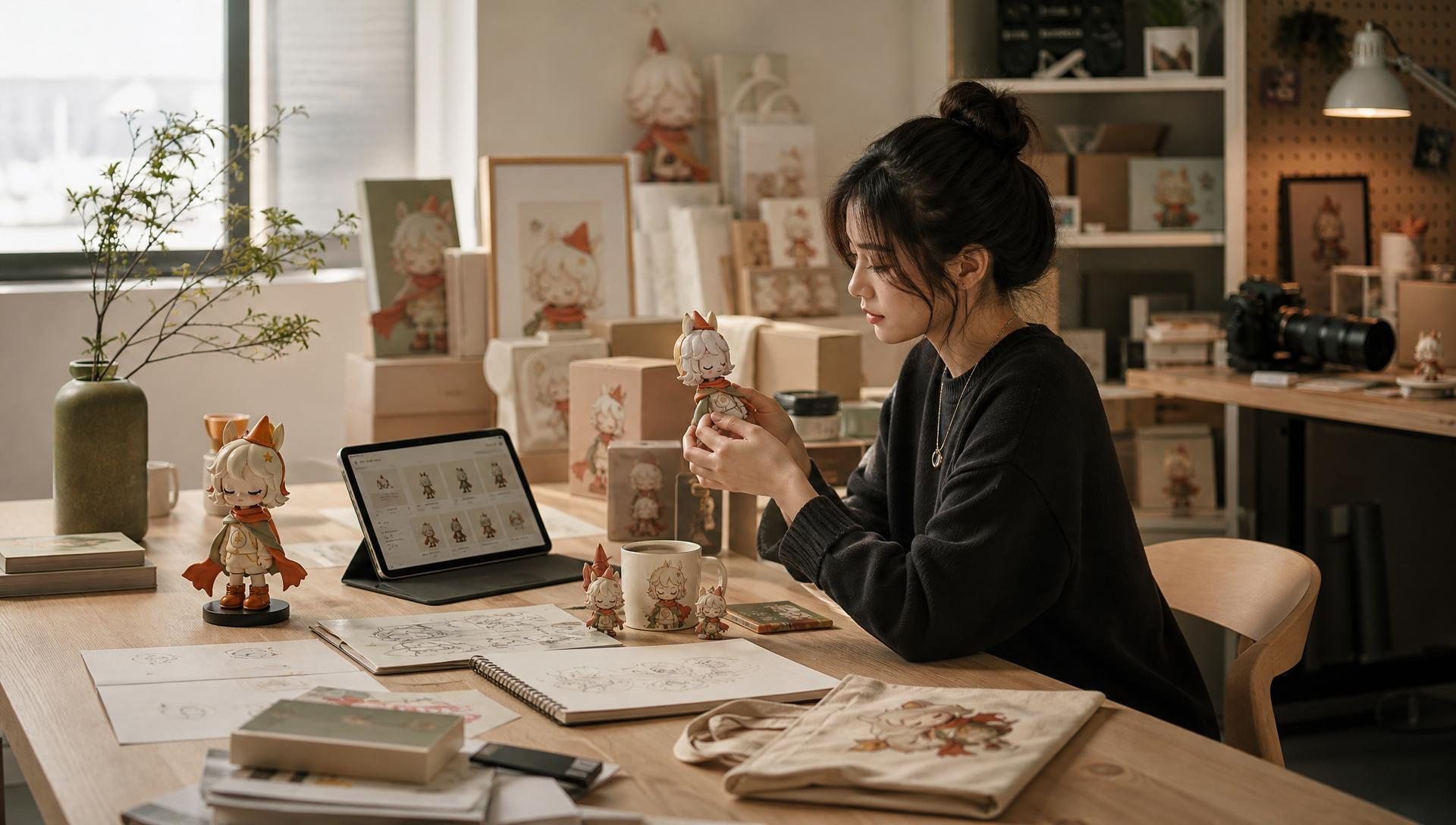
From Product Mockups to Product Storytelling
Traditional AI product mockups are useful for quickly visualizing a product. However, e-commerce content can go much further.
A strong product image set might include:
A clean hero image that clearly presents the product
A lifestyle image showing the product in use
A close-up highlighting materials, details, or artwork
A scenario image showing how the product fits into a customer's lifestyle
A creative campaign image designed for social media
Each image has a different job.
The hero image attracts attention and establishes the product. Detail images build trust. Lifestyle photography creates desire. Social content generates discovery.
Together, they turn a product into a visual story rather than simply displaying an item.
This approach is especially valuable for creators selling products based on their own artwork, characters, illustrations, or other creative IP. The product should feel like a natural extension of the creator's world rather than a generic item with artwork placed on top.
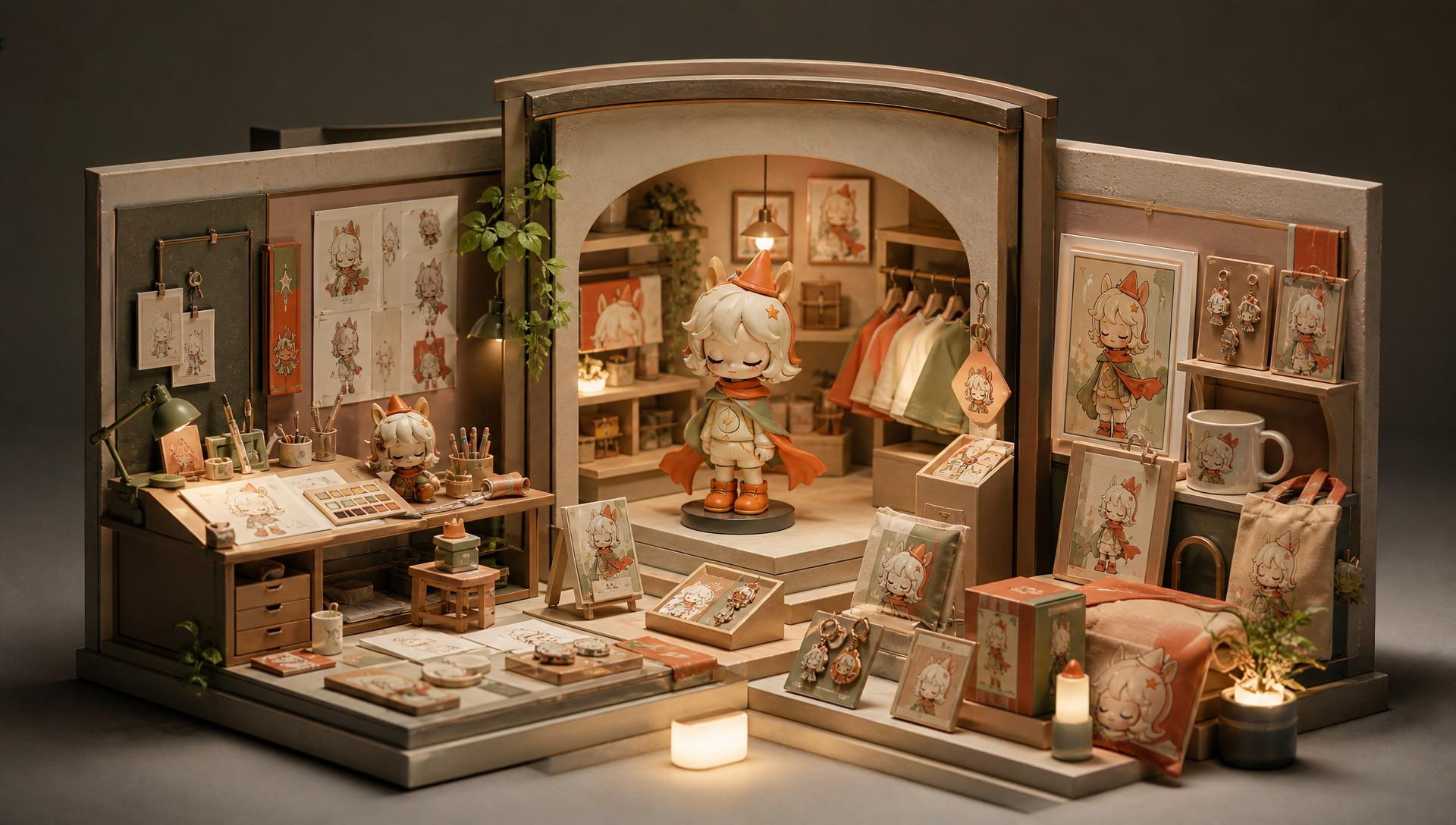
How to Create Better AI Product Images
Creating effective e-commerce product images starts with the product itself. Before generating visuals, identify the product's strongest selling point and the audience you want to reach.
1. Start with the product, not the background
A common mistake is focusing too much on an impressive environment while losing the actual product.
The product should remain visually clear. Ask yourself what shoppers need to see first and make that element the focal point.
2. Build a consistent visual identity
Your product images should feel like they belong to the same brand.
Consider:
- Color and lighting
- Background and environment
- Composition
- Props and styling
- Model or character direction
- Overall mood
Consistency helps turn individual products into a recognizable collection.
3. Create lifestyle and scenario images
People do not always buy products because of their specifications. They buy because they can imagine the product becoming part of their lives.
A creator selling illustrated home décor, for example, could show the artwork in a stylish bedroom, creative workspace, or collector's room rather than presenting it against a plain white background.
This is one of the biggest advantages of AI-assisted visual creation: you can explore different environments and concepts without organizing an expensive photoshoot for every idea.
4. Design for different channels
One product rarely needs only one image.
Your website may need detailed product photography, while Instagram or TikTok may benefit from a more editorial composition. Marketplace listings may require clear product-focused images, while advertising creatives need stronger visual hooks.
Creating multiple formats from the beginning makes your product content more useful across the entire customer journey.
AI Product Images Should Lead to Better Products
There is an even bigger opportunity beyond product photography.
For creators, AI can help connect creative ideas → product design → product presentation → e-commerce.
Imagine an artist creates an original character. Instead of leaving that character as a digital illustration, the creator can explore how it might work as a blanket, pillow, apparel piece, collectible, sticker, home décor product, or other merchandise.
The next step is not simply generating a beautiful mockup. It is turning the creative IP into something people can actually buy.
This is where Genki takes a broader approach to AI-powered creator commerce. Rather than treating AI-generated visuals as the final destination, Genki connects creative ideas with product creation and the commercial side of selling. The goal is to help creators move from Creation → IP → Product → Store → Sales.
For creators building a product business, this changes the question from:
“What image can AI generate?” to: “What can I create, sell, and build around my creative IP?”
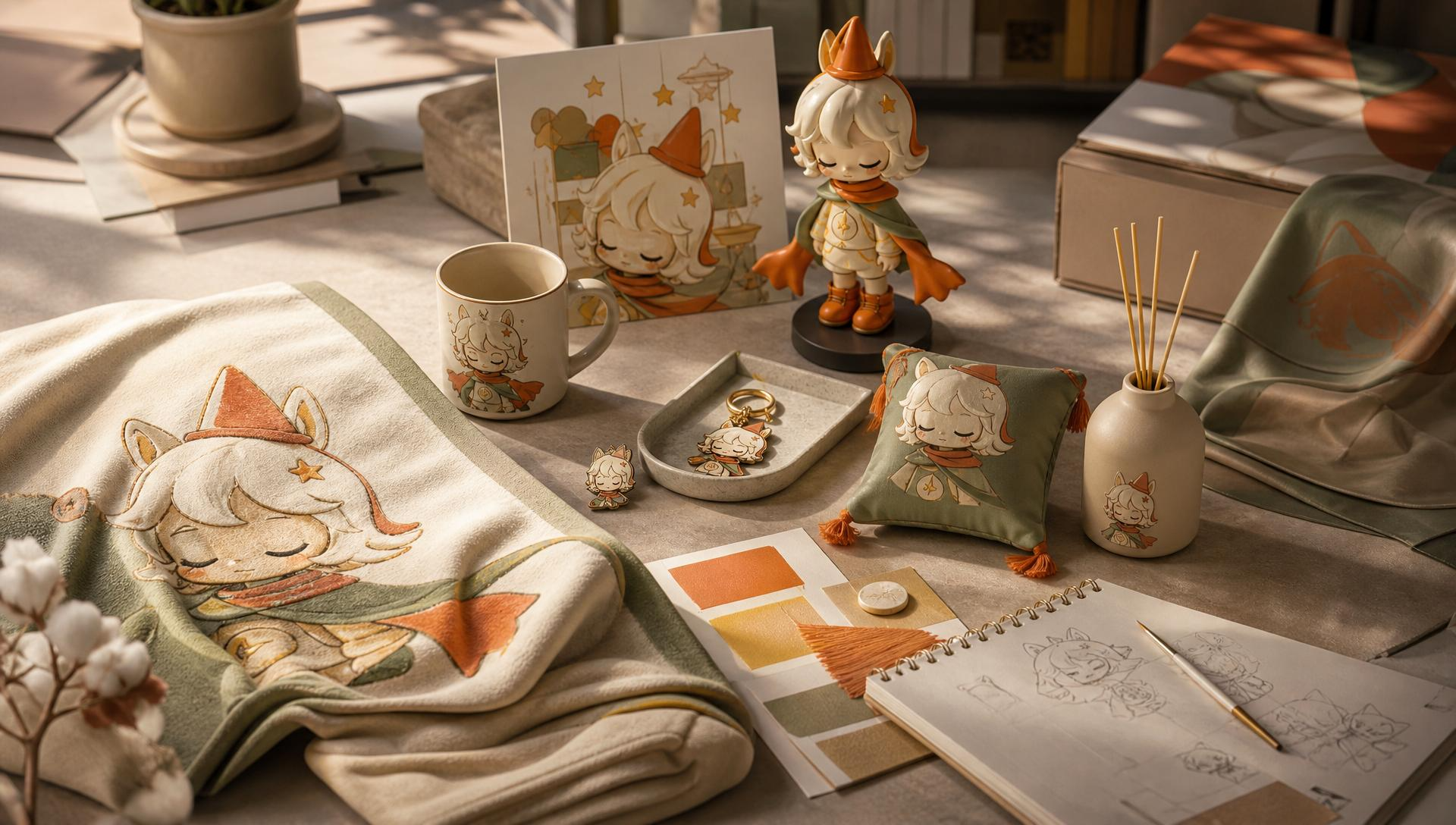
AI Is Changing the Way Creators Build Product Businesses
The growth of AI e-commerce tools means creators no longer need to separate creativity, product development, and marketing into completely different processes.
A creator can develop an idea, visualize different product concepts, create product imagery, test different creative directions, and build a product collection around a recognizable IP.
A platform like Genki can fit into this workflow by helping bridge the gap between creative assets and physical products. Instead of stopping after generating artwork or a mockup, creators can think about how their visual identity can become an actual product collection and storefront.
That does not mean every AI-generated concept will become a successful product. Human creativity, product quality, audience understanding, and marketing still matter.
AI simply makes experimentation faster.
And that speed is valuable. Instead of investing heavily in one product concept before knowing whether customers will respond to it, creators can explore more ideas, identify stronger concepts, and develop the ones with real potential.
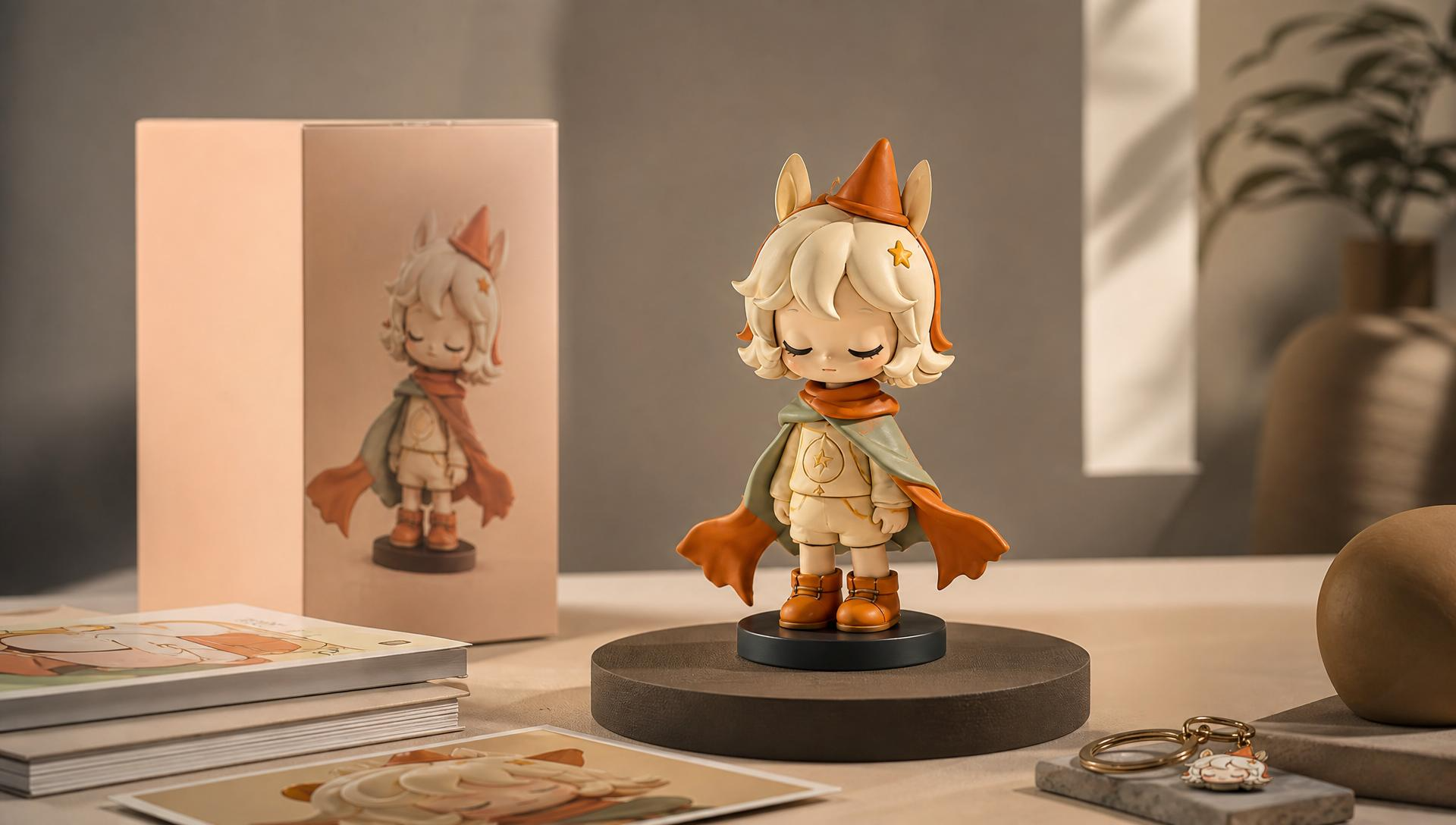
Frequently Asked Questions
✨Are AI product images good for e-commerce?
Yes. They can be highly effective for product visualization, lifestyle scenes, marketing creatives, and product presentations. The key is making sure the product remains accurate and clearly represented.
✨Can AI replace traditional product photography?
Not always. For some products, professional photography is still important, especially when customers need to see exact materials, colors, textures, or physical details. AI works best as a complementary tool for expanding visual possibilities and reducing production effort.
✨Can creators use AI to turn artwork into products?
Yes. AI can help creators explore product concepts, visual styles, mockups, and marketing materials. **Genki** takes this process further by connecting creative IP with product creation and e-commerce, helping creators think beyond individual images and toward complete product businesses.
Turn Your Creative Ideas Into Products
The future of creator commerce is not simply about generating more content. It is about turning creativity into something tangible, recognizable, and commercially valuable.
AI product images are one part of that process. They can help you present products better, experiment with new ideas, and create stronger visual stories. But the bigger opportunity is connecting those visuals to real products and real customers.
If you have original artwork, characters, or creative IP, don't stop at the image. Explore what that idea could become.
With Genki, creators can move from creative IP toward products, storefronts, and global e-commerce—turning ideas that once existed only on a screen into products that people can discover, own, and share.
Create your products with Genki and start turning your creative IP into a business.