📖Introduction
Launching creator merch sounds simple. You have an audience, create a few products, share a link, and expect your fans to buy them. At least, that's how many creators imagine it will work.
But in reality, plenty of creator merch launches receive lots of likes, comments, and excitement while still struggling to generate meaningful sales. A creator might have thousands—or even millions—of followers, yet their first merch drop barely moves.
The problem is that followers don't automatically become customers. Most failed merch launches aren't caused by a lack of followers. They fail because the product doesn't feel meaningful, the audience wasn't involved, the launch creates little anticipation, or the creator underestimates everything that happens after someone clicks "buy."
The key is to stop thinking about merch as simply something you can sell and start thinking about it as something your audience genuinely wants to own.
☘The Biggest Mistake: Starting With a Product Instead of an Idea
Many creators begin their merch journey with a question like, “What should I put my logo on?” That question often leads to the same result: a T-shirt, hoodie, mug, or tote bag with a logo placed somewhere on it. There's nothing inherently wrong with these products, but a product with a creator's logo isn't automatically meaningful to the people following them.
The strongest creator merchandise usually starts somewhere else: with the creator's world. That might include original characters, illustrations, recurring jokes, recognizable visual elements, stories, quotes, creative concepts, or moments that only the community truly understands.
Instead of asking:
What product should I sell?
Creators should ask:
What does my audience already care about?
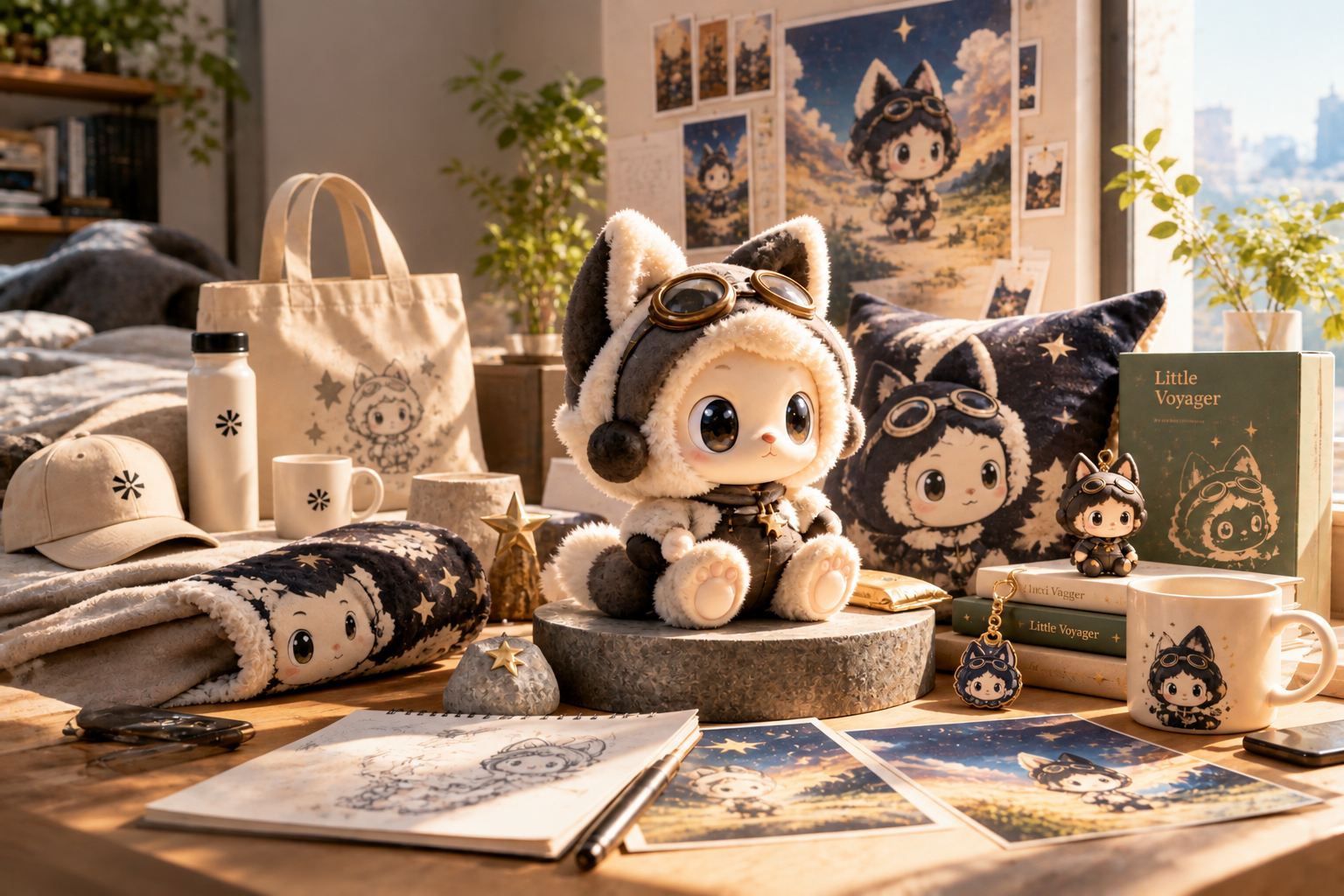
That small shift can completely change the direction of a creator merch launch. A creator with an original character, for example, doesn't have to simply print that character on a shirt. The IP could potentially become:
- A collectible figure
- A desk accessory
- A pillow or blanket
- A bag or everyday accessory
- Home decor
- A sticker collection
- A limited-edition collectible
The goal isn't to find as many products as possible. It's to find products that make the creative idea more interesting. The best merch often feels like an extension of the creator's content rather than an advertisement attached to it.
🎁Fans Don't Buy Products Just Because They Like You
Another major reason creator merch fails is that creators overestimate what followers are willing to buy. Someone can enjoy your videos, like your posts, and follow you for years without wanting to own a product with your name on it. That doesn't mean they aren't loyal fans—it simply means that liking a creator and wanting to buy a product are two different decisions.
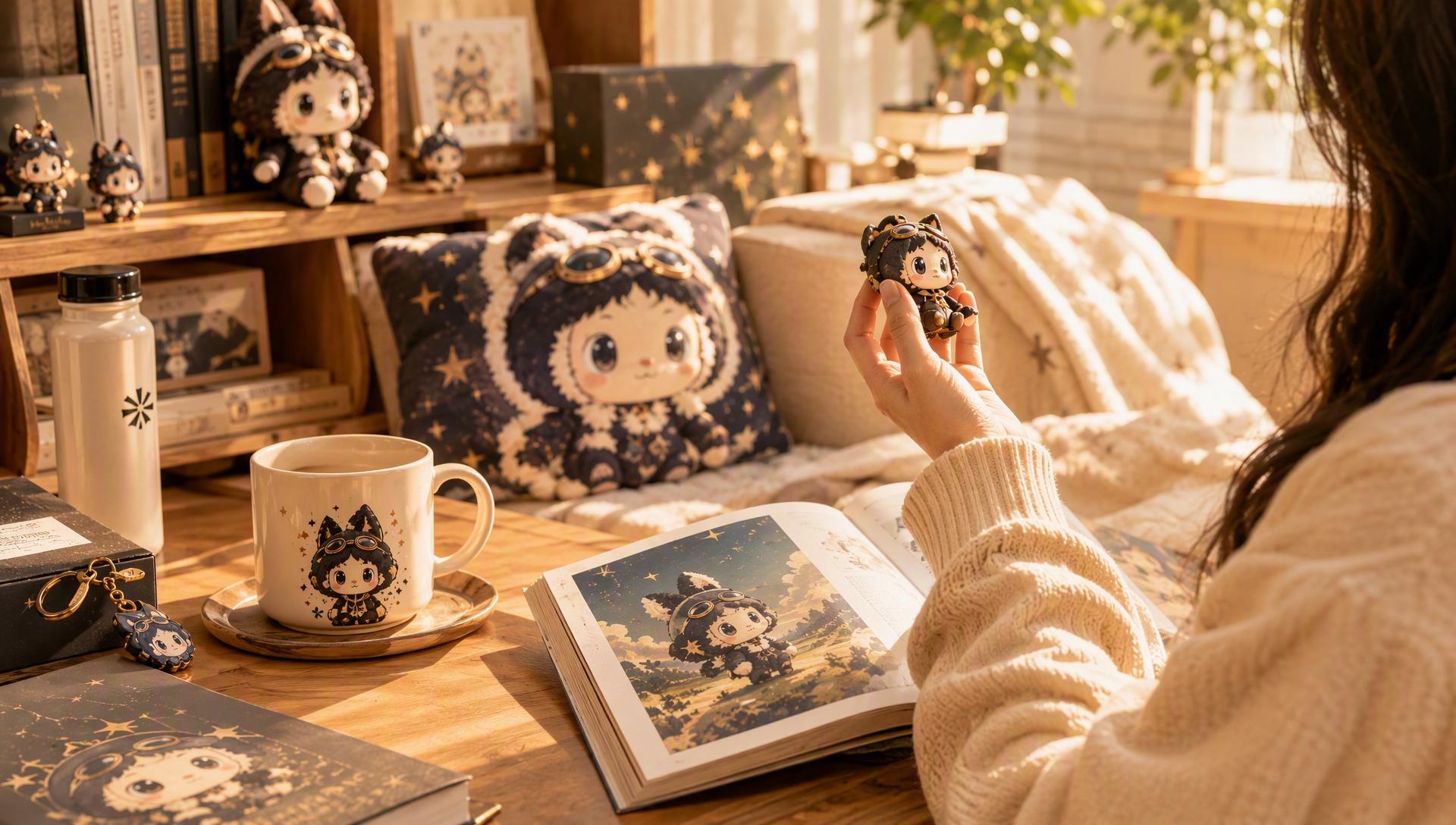
People usually buy creator products because the item gives them something beyond basic support. It may represent a character they love, remind them of a favorite piece of content, connect them with a community, fit naturally into their lifestyle, or feel special enough to collect.
Before you launch merch, it helps to understand what your audience actually connects with:
* What do fans talk about most?
* Which characters, ideas, or designs receive the strongest reactions?
* What inside jokes or visual symbols belong to the community?
* What would make a fan think, “I actually want this in my life?”
The difference between successful products and forgotten products is often emotional relevance. **Fans don't just buy merch to support creators. They buy things that help them express what being part of that creator's world means to them.
📦A Merch Launch Is Not the Same as Uploading a Product
One of the most common merch launch mistakes is treating a launch like a simple store update. The creator uploads products, posts a photo, adds a link, and writes, *“Merch is now available!”* Then the launch is essentially over.
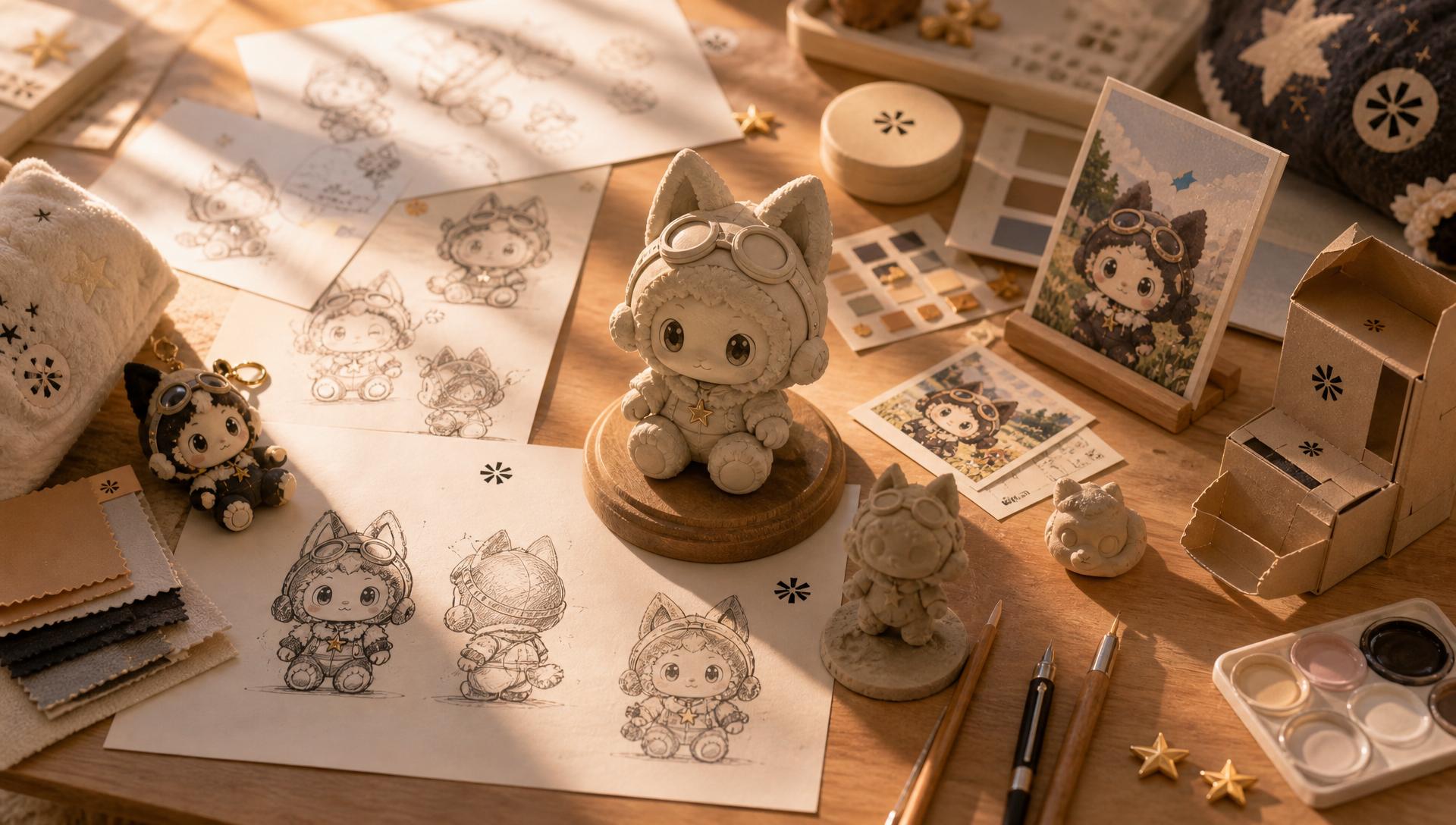
But successful product launches create a moment. Before fans can be excited about a product, they need to know why it matters. That doesn't mean every creator needs a huge marketing campaign. Even a simple launch can build anticipation by sharing sketches, teasing product details, revealing parts of a design, showing behind-the-scenes development, or asking fans to participate in decisions.
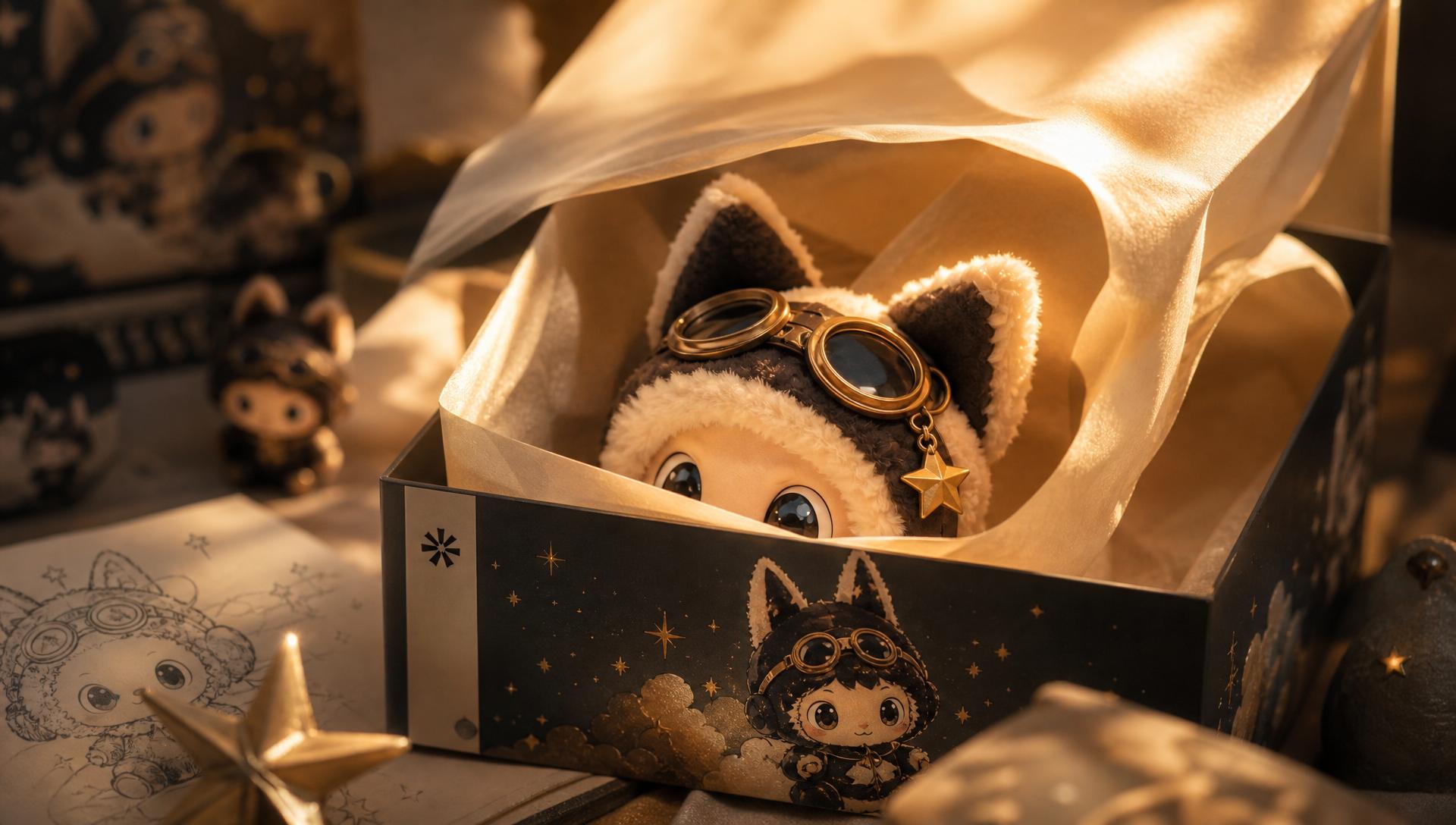
A strong merch launch strategy often begins before the products are available. Creators can reveal a silhouette before showing the full product, let fans vote between designs, show how a character or artwork was transformed into a physical object, or build a story around why the collection exists.
When the product finally launches, fans aren't discovering it for the first time. They've already been part of the journey. That's a major difference between simply selling a product and creating a product drop that people actually look forward to.
🎯Don't Launch Everything Before You Know What Works
Another mistake creators make is assuming that more products mean more opportunities to sell. For a first creator merch launch, it can be tempting to launch an entire catalog with multiple product categories, several designs, different colors, and a large number of variations.
But more options also mean more complexity—and more guessing.
A smarter approach is often:
Start small → Test interest → Learn → Expand
The first launch doesn't need to prove that you can build an entire product company overnight. It should help you learn what your audience wants. Which creative ideas generate the strongest response? Which product categories attract buyers? Which designs get shared? Which products make people comment, save, or ask when they will be available?
A successful launch is not only measured by how much it sells on day one. It can also reveal what your audience wants to see next. This is especially important for creators building a long-term brand rather than chasing a one-time merch opportunity.
✨Great Creative Ideas Can Still Fail Because of Operations
Even when creators have a great product idea and an engaged audience, another challenge appears after launch: operations. Creating a product is only one part of selling it. There may also be manufacturing, product management, inventory, order processing, international shipping, fulfillment, customer support, returns, and after-sales service.
For an individual creator, these responsibilities can quickly become overwhelming. A creator should not have to become a manufacturer, warehouse manager, logistics coordinator, and customer support team just to turn their ideas into products.
This is where creator commerce becomes especially important. Creators are experts in creativity, content, and community. The infrastructure behind product creation and fulfillment should support that work rather than distract from it.
Platforms like Genki are built around this idea. Instead of stopping at content creation, Genki helps creators turn creative IP into products, build creator stores, and connect those products with the supply chain and fulfillment needed to sell globally.
The journey can move beyond:
Content → Followers
and toward:
Creative IP → Products → Community → Customers → Creator Brand
📍How to Launch Creator Merch Successfully
So, how do you launch merch successfully? The process starts long before launch day.
- First, identify what makes your creative world unique. Look beyond your logo and think about your IP, characters, artwork, stories, recurring ideas, and community culture. These elements are often where the strongest product ideas already exist.
- Next, consider how those ideas could become products that people genuinely want to own. Don't start with what is easiest to manufacture. Start with what makes the creative concept more valuable, useful, collectible, or meaningful.
- Then, validate interest before scaling. Social content, fan conversations, polls, comments, teasers, and early feedback can all help creators understand which ideas resonate before expanding into more products.
Once you know what you're launching, build anticipation. Share the process, give fans something to react to, and make the launch feel like part of your creative journey rather than an interruption to it.
- Finally, make sure the operational side doesn't prevent you from growing. The easier it is to manage product creation and fulfillment, the more time creators can spend doing what helped them build their audience in the first place: creating.
🛍Creator Merch Should Be the Beginning of a Brand
The biggest opportunity in creator merchandise is not selling one hoodie or launching one limited collection. It's building something that can grow.
A successful product can become part of a larger creative ecosystem. An original character can evolve into multiple product categories. A community can influence future collections. A one-time launch can become an ongoing creator brand.
This is why the most successful creators are increasingly thinking beyond individual posts and sponsorships. Their content builds attention, their community builds connection, their creative IP creates identity, and products give people a way to take part in that world.
Most creator merch fails when creators treat it as something they should sell simply because they have followers. Successful creator products begin with a different question:
What can I create that my audience would genuinely want to own?
Once creators start there, everything else—product design, merch launch strategy, audience engagement, and long-term growth—becomes easier to build around.
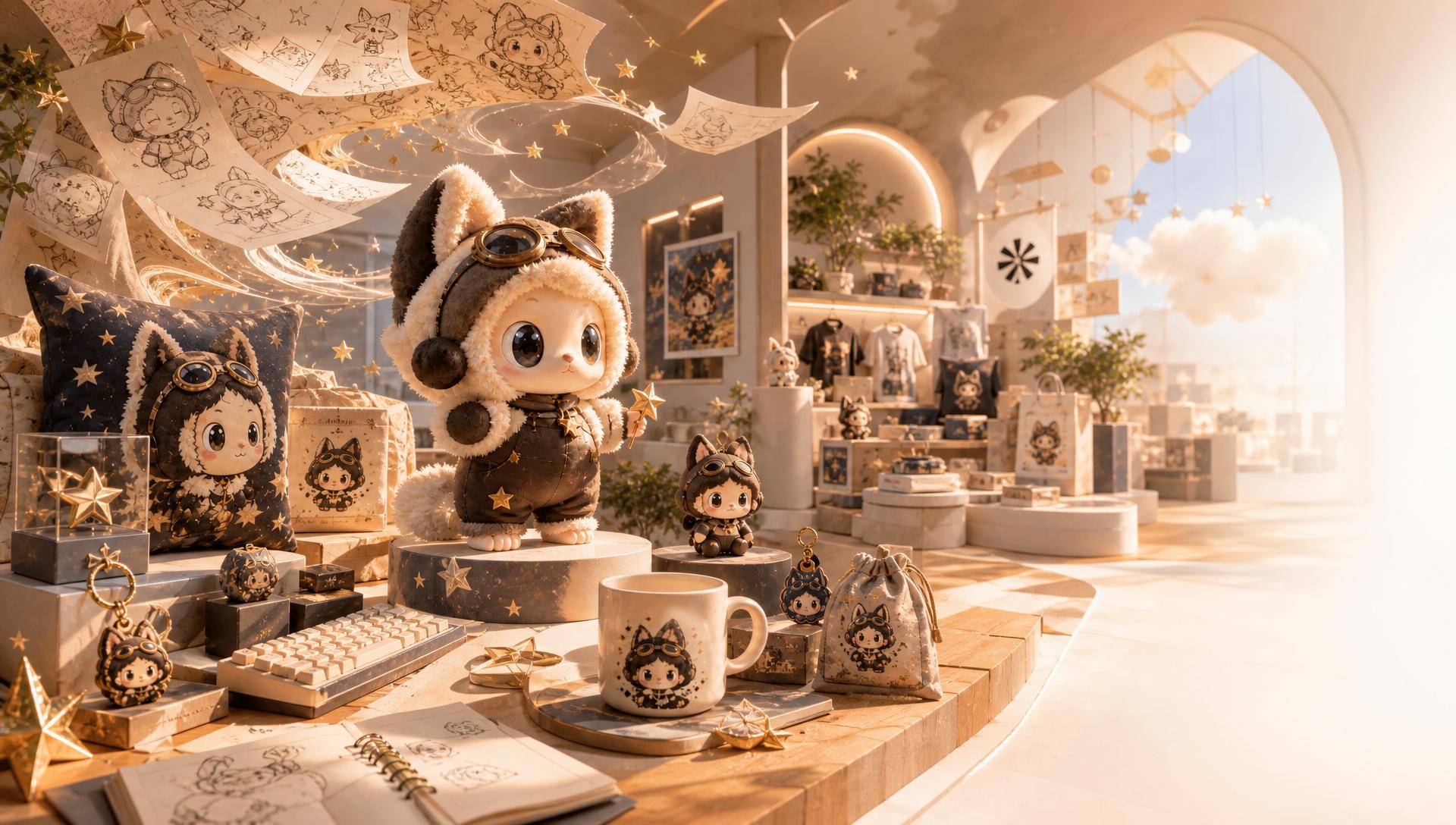
💡Turn Your Creative IP Into Something People Can Own
Your content can build an audience. Your creative IP can build a world. The next step is giving people a way to become part of it.
Genki helps creators turn original creative IP into real products, creator stores, and global selling opportunities—while connecting product creation with the supply chain and fulfillment needed to bring those ideas to customers.
Ready to turn your creative ideas into products people actually want to own? Explore Genki and start building beyond content.